

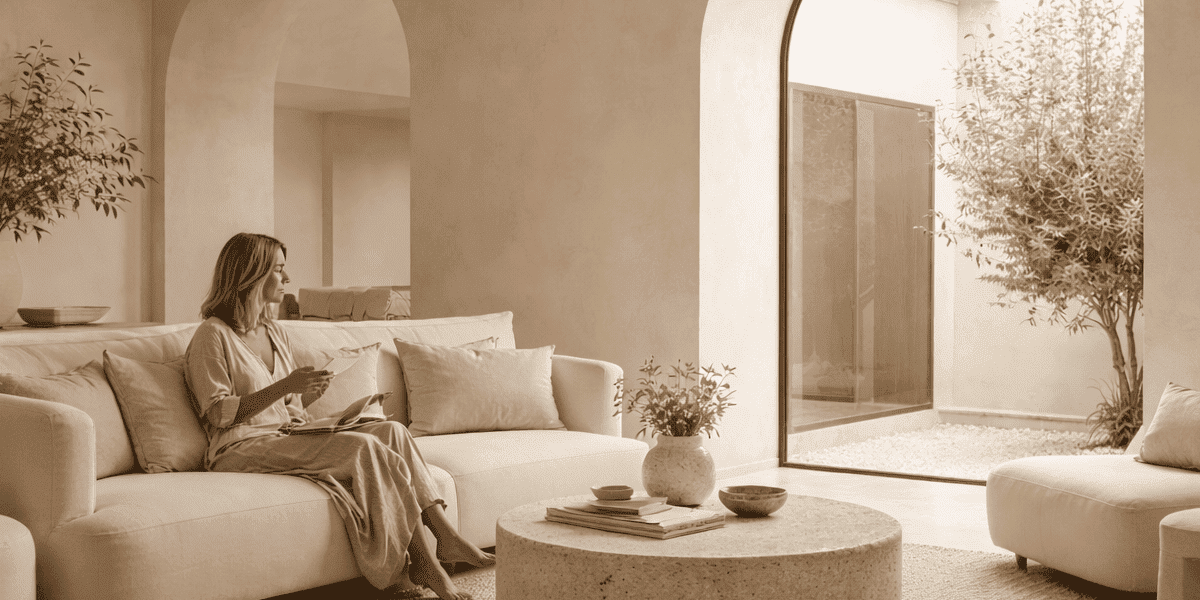
Natural materials, contemporary aesthetics and healthy comfort
When we think of “traditional cladding”, many people associate them with old houses, rustic styles or techniques from another era. But the reality is just the opposite: mineral decorative coatings (such as lime, clay or silicates) have become one of the most current options in contemporary interior design, precisely because they provide something that industrial finishes fail to fully replicate: real texture, visual depth and natural beauty.
In recent years, decoration has turned towards more serene, warm and honest spaces. Materials such as wood, stone, linen or ceramics have regained prominence… and mineral coatings fit naturally into that trend. Not only because they are ecological, but because they create walls with presence, with character, without the need to overload the space.
A decorative coating is a material that is applied to walls and ceilings with a double objective:
Unlike a standard paint (which usually provides color and little “material”), many decorative coatings are worked with thickness, grain and application technique. This allows you to create effects such as:
This type of finish is not only seen, it is perceived. It changes the atmosphere of a space.
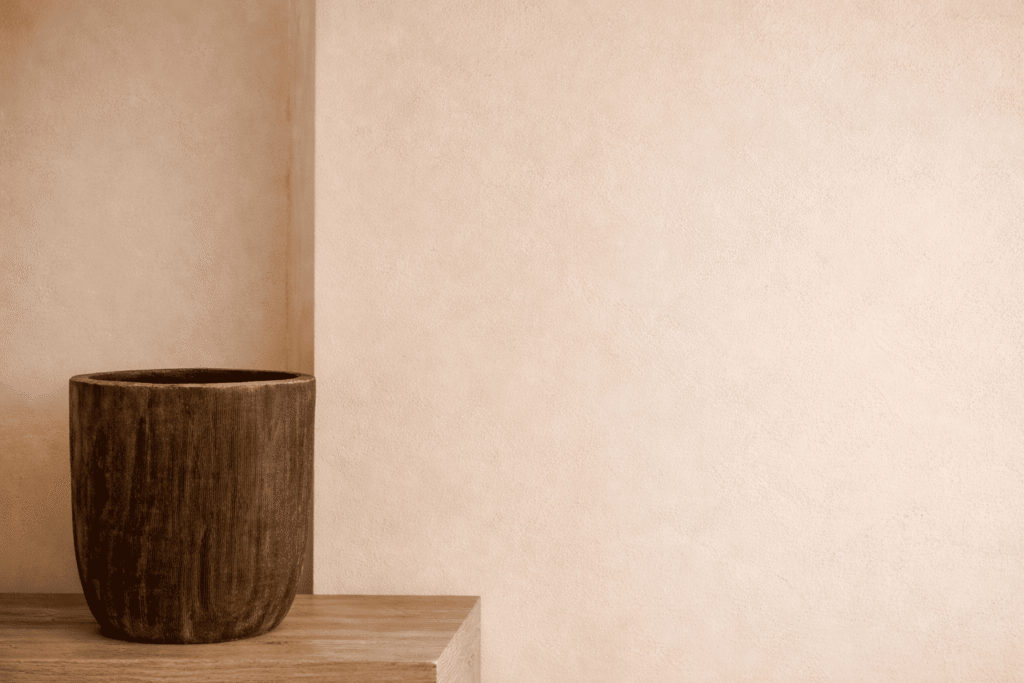
One of the keys to why they are so present today is that today’s decoration values:
Mineral coatings also integrate very well into current styles such as:
And they also work in more urban projects (modern floors) when applied to a main wall, in a bathroom or in a passageway, providing identity without saturating.
Throughout the guide we will see what types of coverings exist, how to choose the most suitable one for each room, what mistakes to avoid and how to maintain them. But, above all, we will show you something important: these finishes are natural and traditional, yes, but they are also tremendously decorative and very current.
In recent years, the way of understanding materials within the home has changed significantly. Decoration is no longer only focused on aesthetics or following trends, but also on how materials influence people’s well-being and the quality of the indoor environment.
In this context, natural and mineral coatings have regained great prominence. Materials such as lime, clay or silicates have been used for centuries in traditional architecture, but today they are once again present in contemporary interior design and rehabilitation projects for a very clear reason: they combine beauty, functionality and environmental health.
Unlike many modern synthetic cladding, mineral cladding works in harmony with the supports and with the interior environment of the building. Not only do they decorate the walls, but they also contribute to improving the comfort of the space.
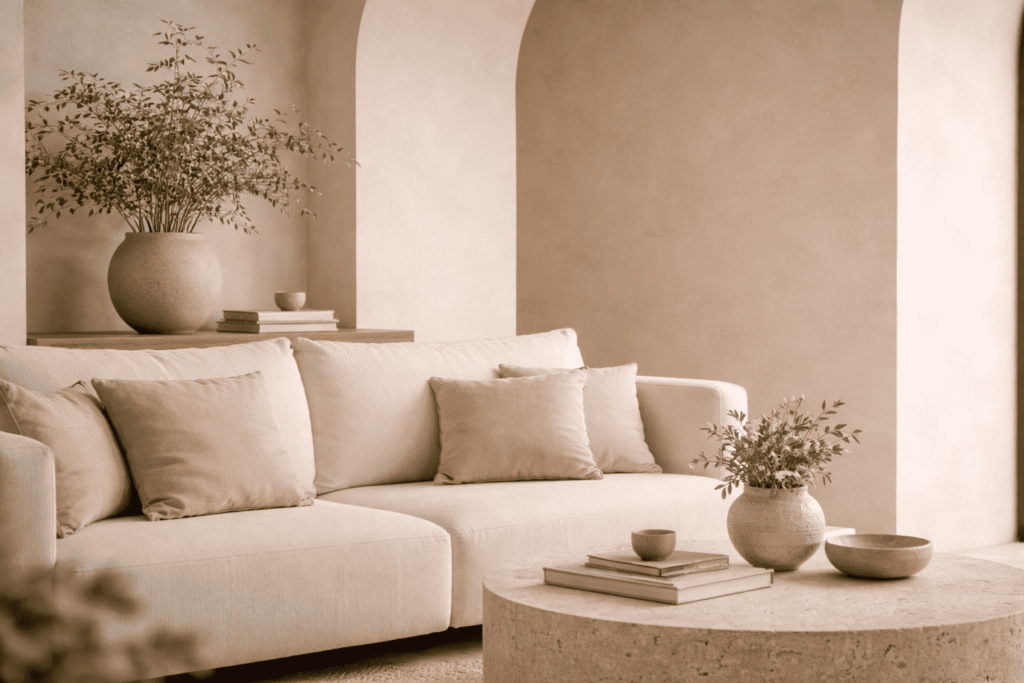
Traditional decorative coatings are mainly based on mineral raw materials present in nature. Among the most common we find:
These materials have several characteristics in common that explain their growing interest in architecture today:
This last aspect is especially valued in interior design. While many industrial coatings generate surfaces that are too uniform, mineral coatings feature subtle variations in texture and hue that add depth and character to walls.
One of the most important concepts when talking about mineral coatings is breathability.
The walls of a house are not completely watertight elements. Under normal conditions, there is always an exchange of water vapour between the interior of the building and the materials that make up the walls.
When using highly waterproof synthetic coatings, this exchange is blocked, which can promote moisture build-up in certain areas.
Mineral coatings, on the other hand, allow the substrate to “breathe”, facilitating the diffusion of water vapour. This helps to:
From a comfort point of view, this translates into more balanced and pleasant spaces to live in.
In addition, many mineral coatings contain very few volatile organic compounds (VOCs), which contributes to maintaining better indoor air quality, something that is increasingly valued in contemporary homes.
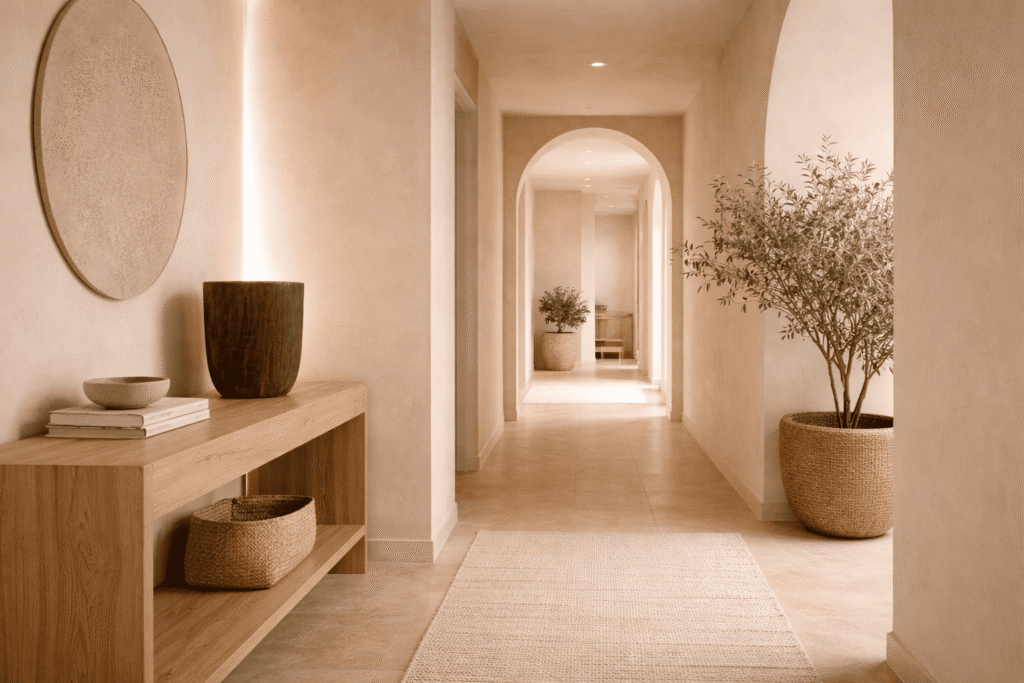
Beyond their technical properties, one of the greatest attractions of mineral coatings is their decorative value.
Walls treated with lime, clay or mineral micromortars are not completely flat or uniform surfaces. The very nature of the material and the application technique generate small variations that produce:
This type of finish provides a feeling of real materiality that is very difficult to achieve with synthetic paints or coatings.
For this reason, mineral coatings are increasingly used in interior design projects where the aim is to create spaces with personality without resorting to excessive decorative elements.
A wall with a good mineral coating can become a leading element of the space on its own.
In contemporary design there is a growing appreciation for materials that show their natural character. Concepts such as wabi-sabi, warm minimalism or organic design value precisely that which is not perfectly uniform.
Mineral coatings fit very well into this aesthetic philosophy because their finishes present slight irregularities and natural variations. Far from being considered defects, these variations are part of the material’s charm.
Each wall has a slightly different look, which adds authenticity and avoids the artificial feel of overly homogeneous surfaces.
This artisanal quality is especially appreciated by interior designers who seek to create environments with warmth and personality, moving away from excessively industrial aesthetics.
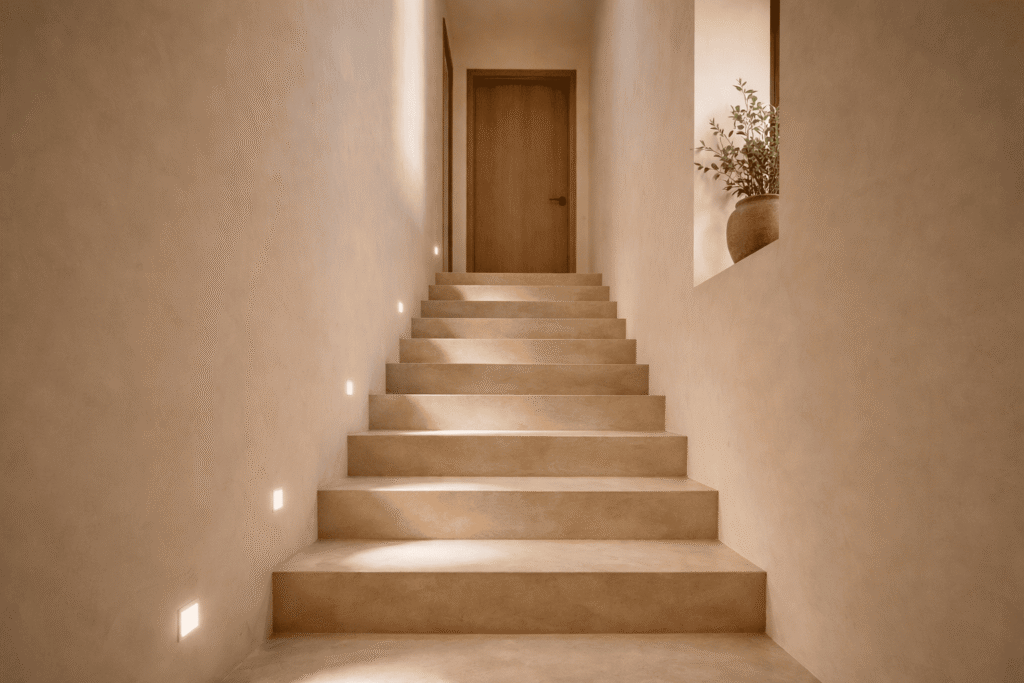
To better understand the value of mineral coatings, it is helpful to compare them to some common synthetic systems.
Many modern coatings are based on polymer-modified acrylic, vinyl or cementitious resins. In some cases, these systems offer great resistance and ease of application, but they also have certain differences with respect to mineral coatings.
Among the main differences we can highlight:
Material composition
Mineral coatings are primarily based on natural raw materials such as lime, clay, or siliceous minerals, while many modern coatings incorporate synthetic resins.
Behaviour against water vapour
Mineral systems are usually more breathable, allowing for better interaction between the wall and the indoor environment.
Aesthetics
Mineral finishes tend to show more natural textures and more organic tone variations.
Compatibility with traditional media
In the rehabilitation of old buildings or masonry walls, mineral coatings often offer greater compatibility with existing materials.
This explains why more and more architects and interior designers are re-specifying this type of finish in contemporary projects.
2.6 A growing trend in interior design
The interest in mineral coatings is not only due to technical or ecological criteria. It is also part of a global aesthetic trend that seeks to reconnect interior spaces with natural materials.
Nowadays it is common to find lime, clay or mineral mortar finishes in:
In many of these projects, decorative coverings are used to create star walls, textured backgrounds or surfaces that add depth to the overall design.
In this way, mineral coatings have gone from being a traditional technique to becoming a fully current design tool.
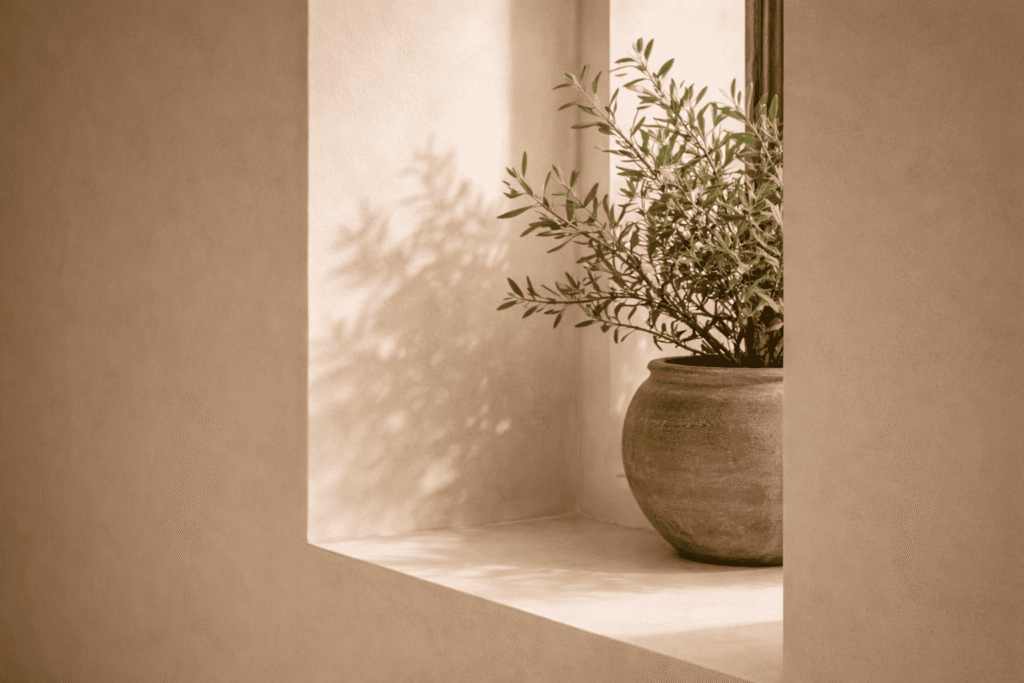
Within natural decorative coatings there are different materials and systems, each with particular technical and aesthetic characteristics. Although they all share certain common properties – such as their mineral base and good breathability – each type of coating offers different finishes, behaviours and applications.
Choosing the right material depends on several factors, such as the type of support, the use of space, the level of humidity or the decorative style you want to achieve.
Below, we analyse the main mineral coatings currently used in both interior design and architectural rehabilitation.
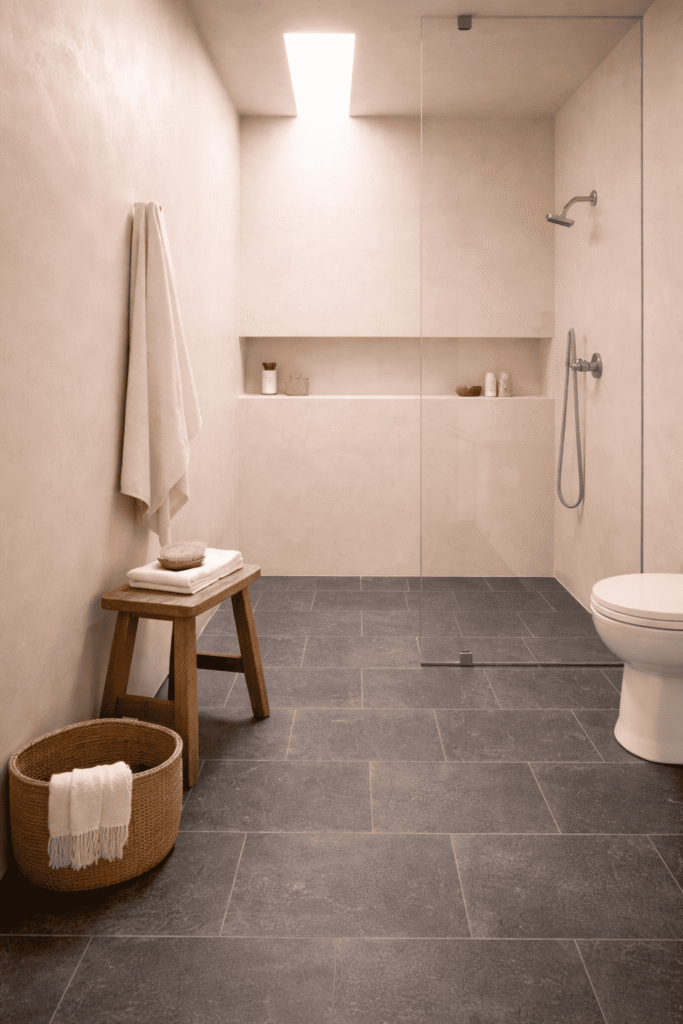
Lime coatings are one of the oldest mineral decorative systems used in architecture. Since ancient times they have been used in mortars, stuccoes and plasters both indoors and outdoors.
Today, far from being a technique of the past, lime coatings are frequently used in contemporary architecture projects and high-end interior design. Their ability to create natural, luminous and nuanced surfaces makes them a highly appreciated choice for architects and decorators.
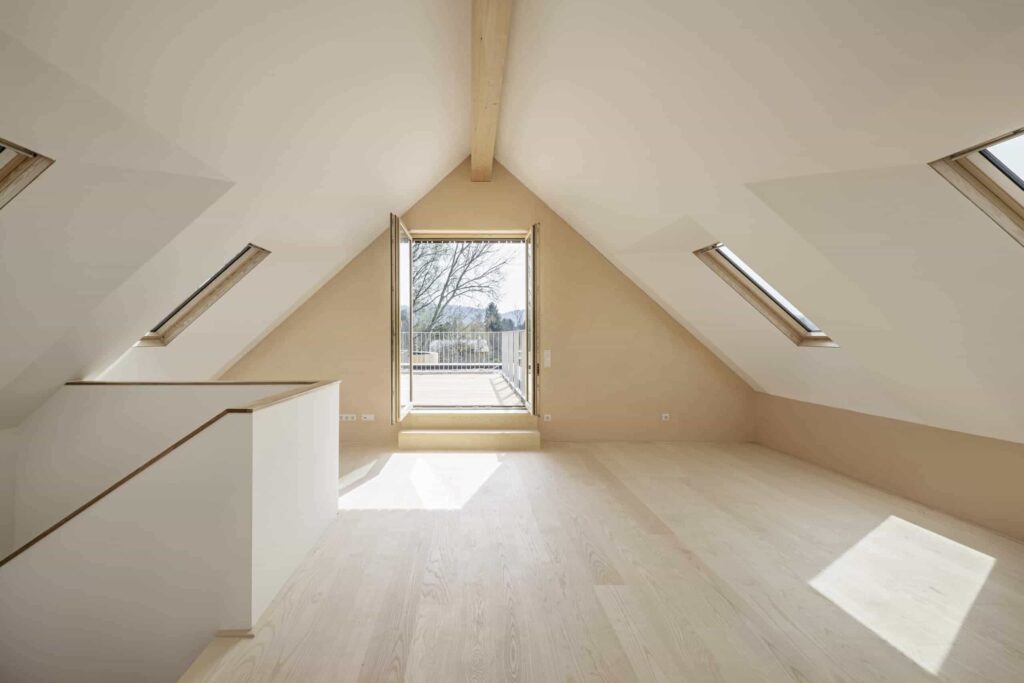
A lime coating is a mortar or stucco whose main base is lime as a mineral binder. Depending on the type of product, it can incorporate different mineral aggregates and natural additives that modify its texture, resistance or behaviour.
There are different varieties of lime used in these systems, the most common being:
The choice of one or the other type depends on the specific use of the coating and the substrate on which it is to be applied.
Lime coatings have a series of properties that explain their wide use both in new construction and in rehabilitation.
Breathability
Lime is a material that is highly permeable to water vapor. This allows the walls to exchange moisture with the environment without being completely sealed.
This property is especially important in old buildings or in masonry walls, where breathability helps to maintain the hygrometric balance of the support.
Natural alkalinity
Lime has a high pH, which gives it naturally antibacterial and antifungal properties. This helps reduce the growth of microorganisms on surfaces.
Good adhesion to mineral substrates
Lime mortars and stuccoes are usually very compatible with substrates such as:
For this reason, they are frequently used in rehabilitation work.
Self-healing capability
Under certain conditions, limescale may show a slight ability to self-heal microcracks thanks to the carbonation process.
Decorative value in interior design
One of the great attractions of lime coatings is their ability to generate surfaces with visual depth and richness of nuances.
Depending on the application technique, it is possible to obtain different types of finishes:
One of the great attractions of lime coatings is their ability to generate surfaces with visual depth and richness of nuances.
Depending on the application technique, it is possible to obtain different types of finishes:
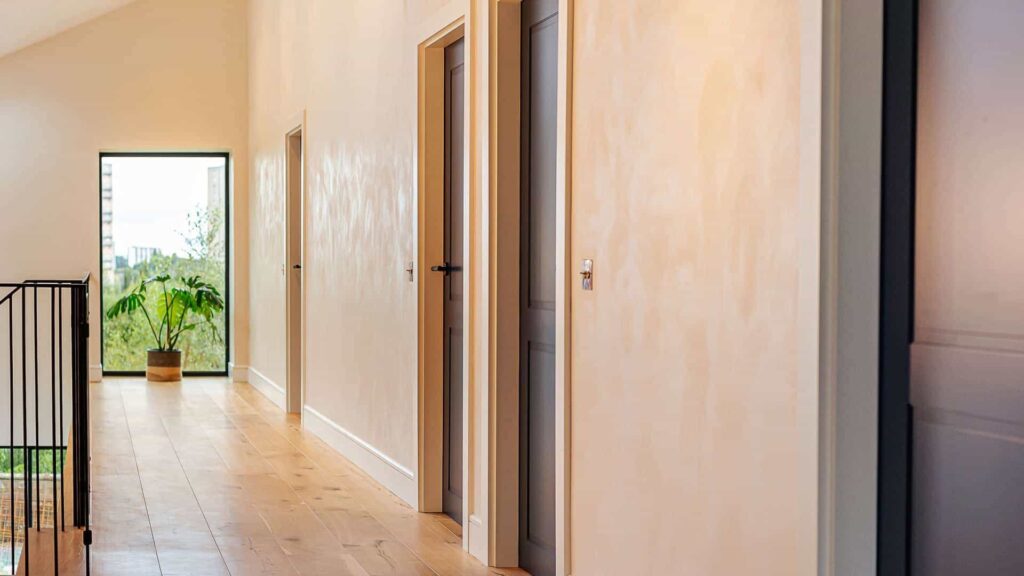
Light interacts with these surfaces in a very particular way, creating subtle variations in tone throughout the day.
For this reason, lime coatings are often used in spaces where a leading wall is sought, such as:
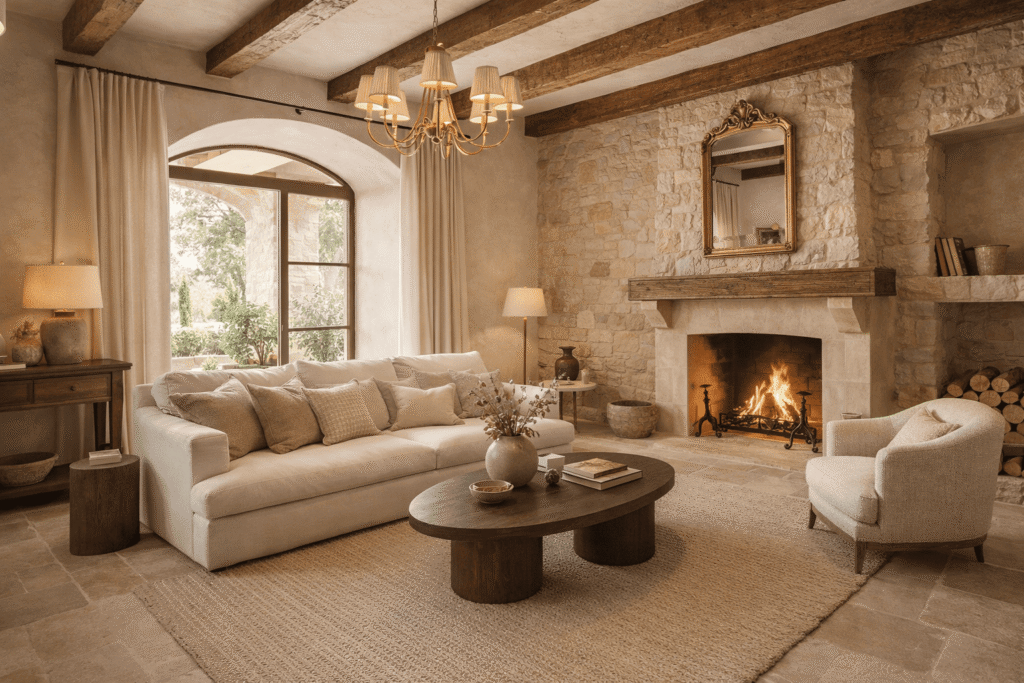
Lime finishes fit particularly well into various contemporary interior design styles:
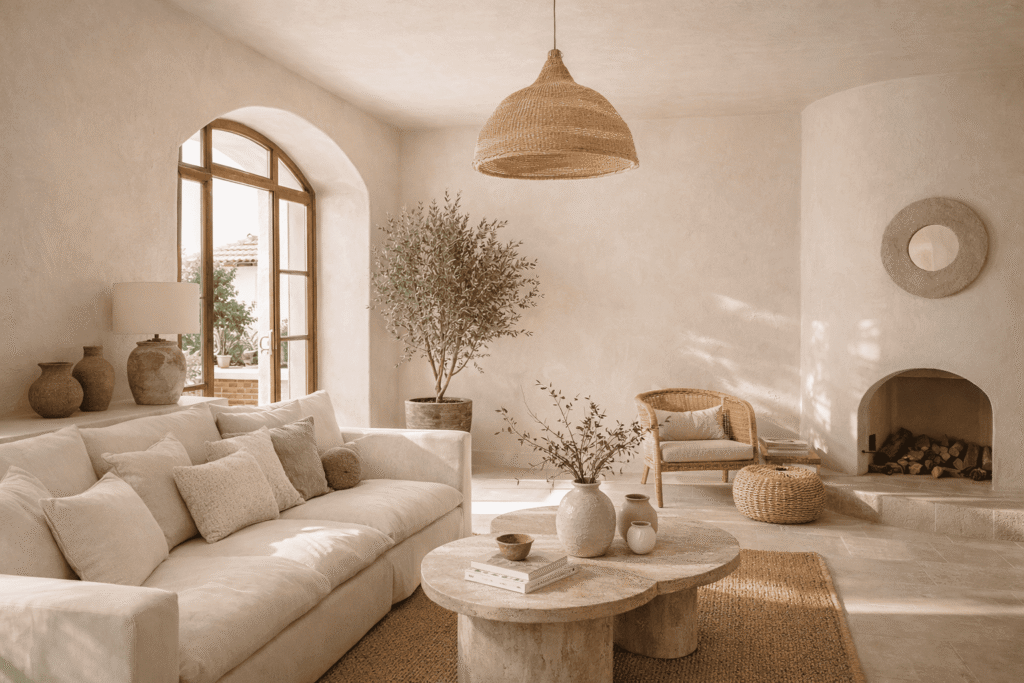
Contemporary Mediterranean
Clear, bright and softly textured walls reminiscent of traditional southern European architecture.
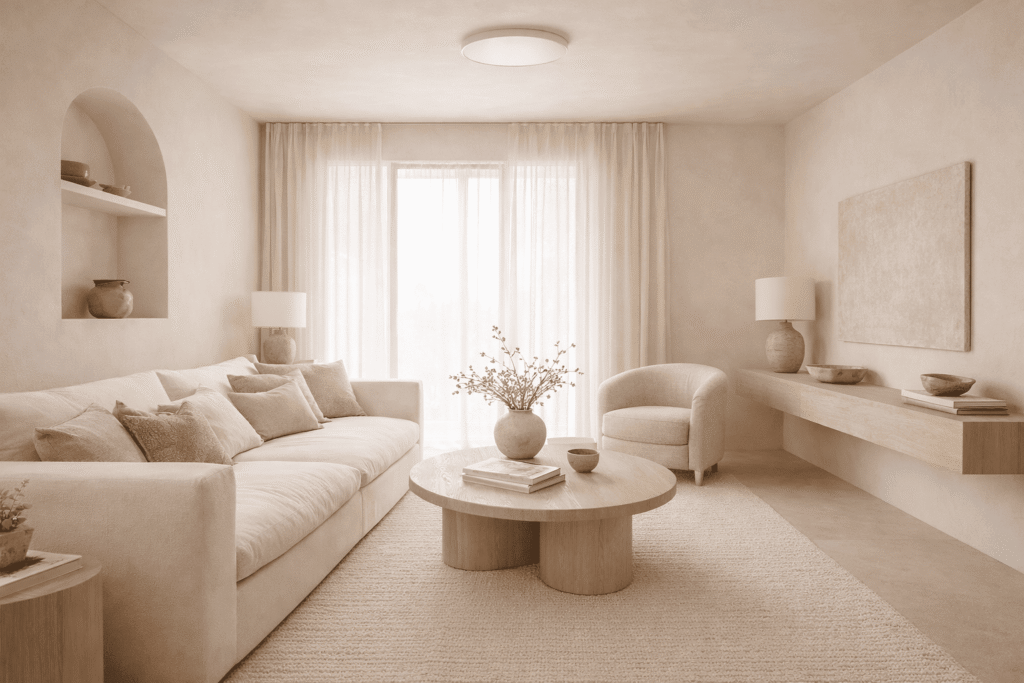
Warm minimalism
Neutral surfaces with visual depth that provide warmth without overloading the space.
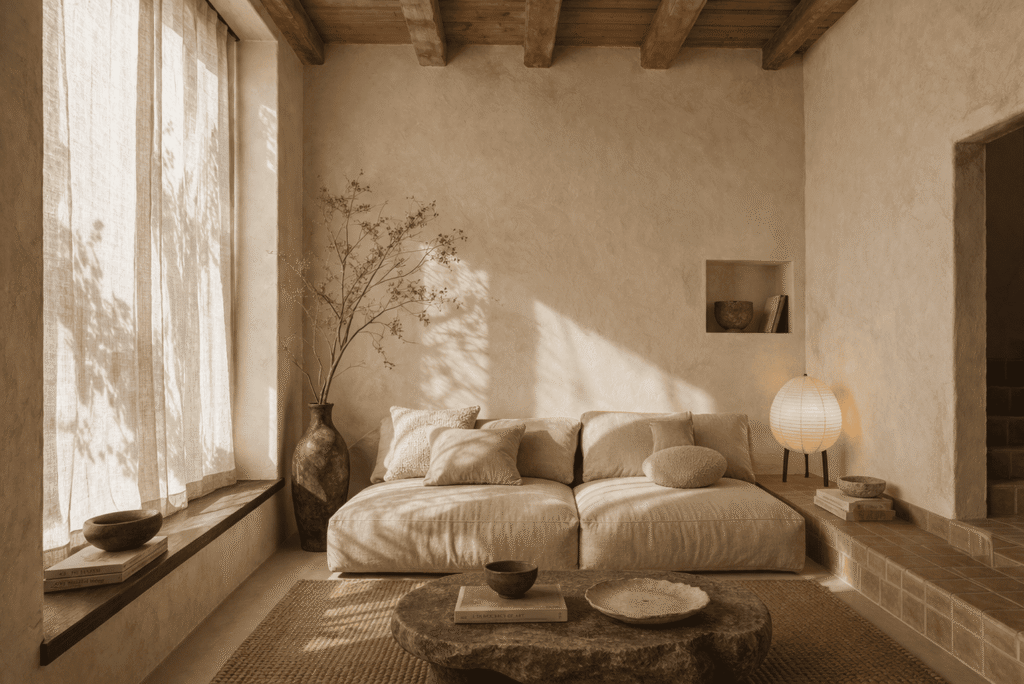
Wabi-sabi or organic aesthetics
Finishes that celebrate the natural imperfection of the material.
Rustic Elegant
Coverings that combine tradition and sophistication.
Typical applications
Lime coatings can be used in a wide variety of situations.
Indoors they are common in:
Outdoors they are used in:
They are also used in bathrooms, provided that the specific system is suitable for humid environments.
Although lime is a very versatile material, it is also important to know its limits.
Some limescale systems:
For this reason, in many cases it is recommended that its application be carried out by specialized applicators.
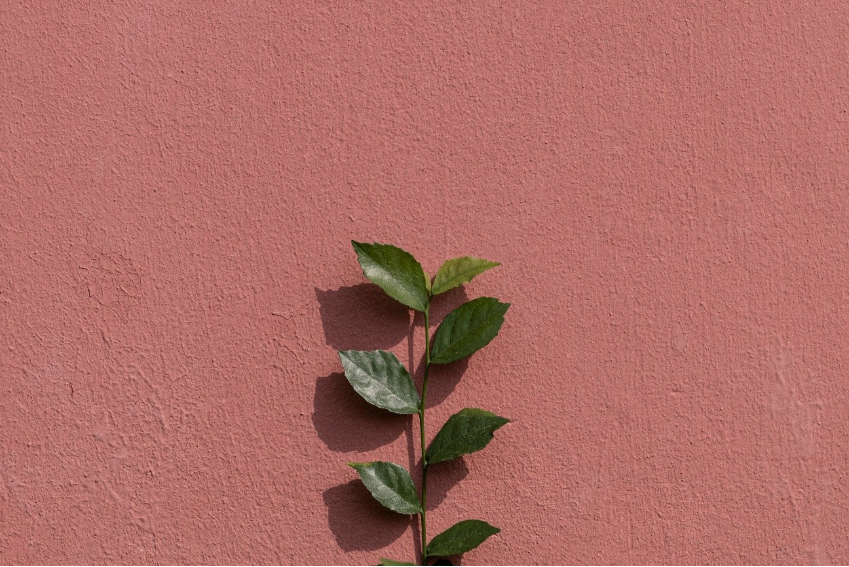
Clay coatings are one of the most natural finishes that can be applied inside a home. Used for thousands of years in different cultures and regions of the world, clay mortars have been part of traditional architecture in earthen houses, half-timbered walls or construction systems such as adobe or rammed earth.
Today, these wall tiles are experiencing a remarkable renaissance within sustainable architecture and contemporary interior design. Their ability to create warm, comfortable and visually very natural spaces makes them an increasingly valued option for both architects and decorators.
Beyond its ecological value, clay stands out for something that is immediately perceived when entering a space covered with this material: the feeling of environmental comfort.
A clay coating is a natural mortar composed mainly of:
Unlike lime mortars, clay does not set by chemical reaction, but hardens by simple drying. This behavior makes the material retain a great capacity for interaction with the environment.
In simple terms, clay acts as a hygroscopic material, capable of absorbing and releasing moisture from the air naturally.
One of the most interesting properties of clay coatings is their extraordinary ability to regulate indoor humidity.
When the air in a room contains too much moisture, the clay can absorb some of that water vapor. When the environment dries out again, the material releases that moisture again.
This process helps to maintain more balanced relative humidity levels inside the home.
From a comfort point of view, this can bring several benefits:
For this reason, clay wall tiles are frequently used in spaces where particularly high indoor comfort is sought, such as bedrooms or living rooms.
A highly valued material in bioconstruction
Within the field of bioconstruction, clay is considered one of the most interesting materials for several reasons:
In addition, its ability to interact with air humidity makes it a natural ally for creating healthy interiors.
However, the current use of clay coatings is not limited to ecological projects or rural housing. Nowadays it is common to find them in contemporary interior design projects, where their natural aesthetics provide a strong identity to the spaces.
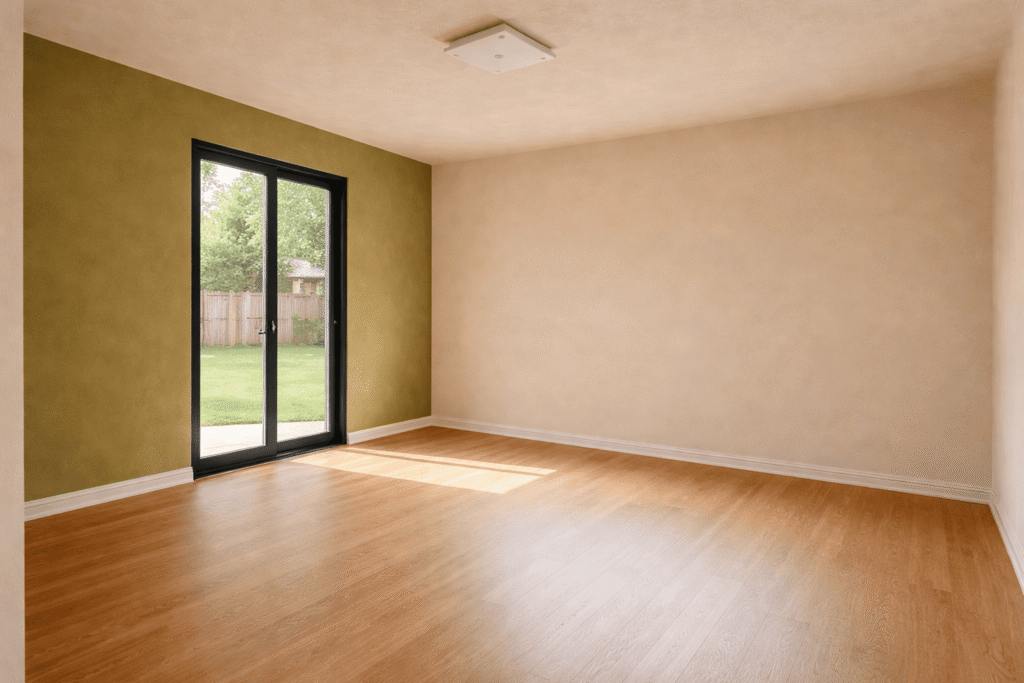
From an aesthetic point of view, clay offers a very particular type of finish that is difficult to reproduce with other materials.
Clay surfaces generally have:
These finishes generate a very different visual sensation from that of walls painted with synthetic materials. The light is reflected more diffuse and soft, creating calmer and more welcoming environments.
For this reason, clay coatings are highly appreciated in projects that seek to convey warmth, naturalness and serenity.
Natural colors and organic aesthetics
The colors of clay coatings are usually based on mineral pigments and natural earths. This gives rise to a chromatic palette closely linked to the tones of nature.
Among the most common colors we find:
These shades fit especially well in interiors where materials such as:
For this reason, clay integrates very easily into decorative styles such as:
Clay coatings are mainly used indoors, as they are not intended to withstand direct exposure to rain.
Inside the home, its most common applications are:
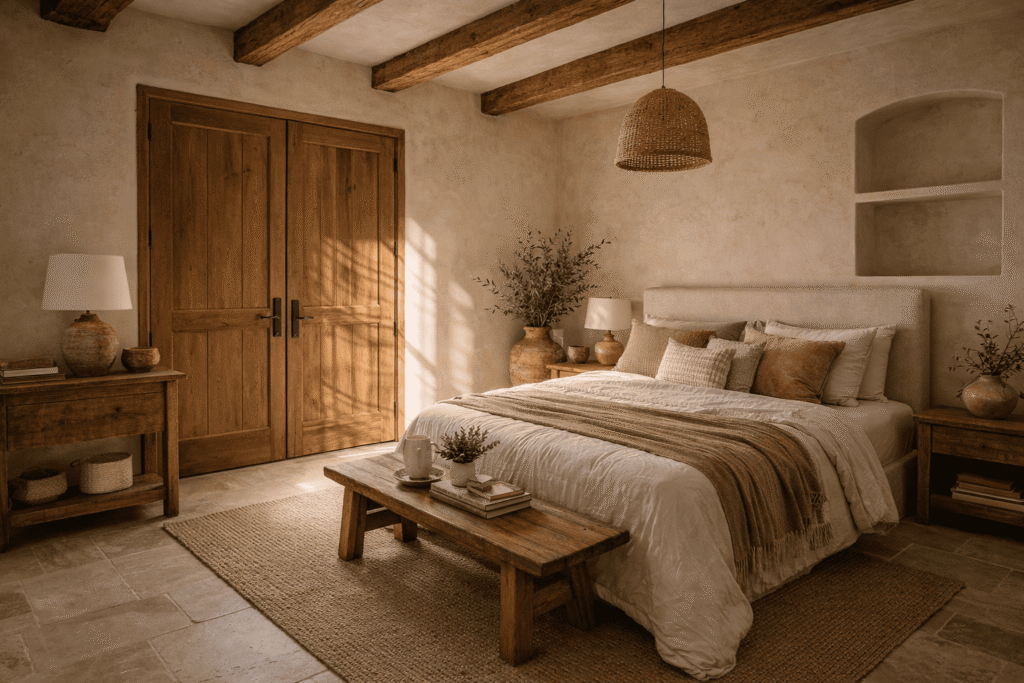
Bedrooms
The humidity regulation and the feeling of environmental comfort make clay particularly appreciated in these spaces. Its matte and soft finish helps to create serene environments, ideal for resting.
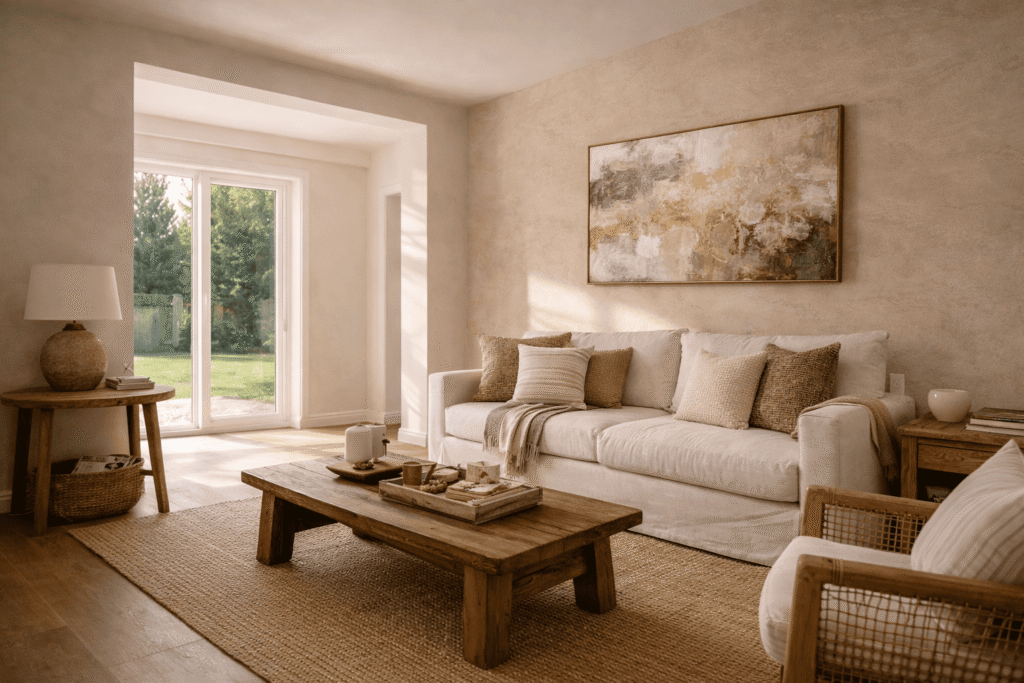
Living rooms and living areas
The natural textures of clay can bring a lot of personality to a main wall. They work especially well as a background for natural materials (wood, fibers, textiles) and warm palettes.
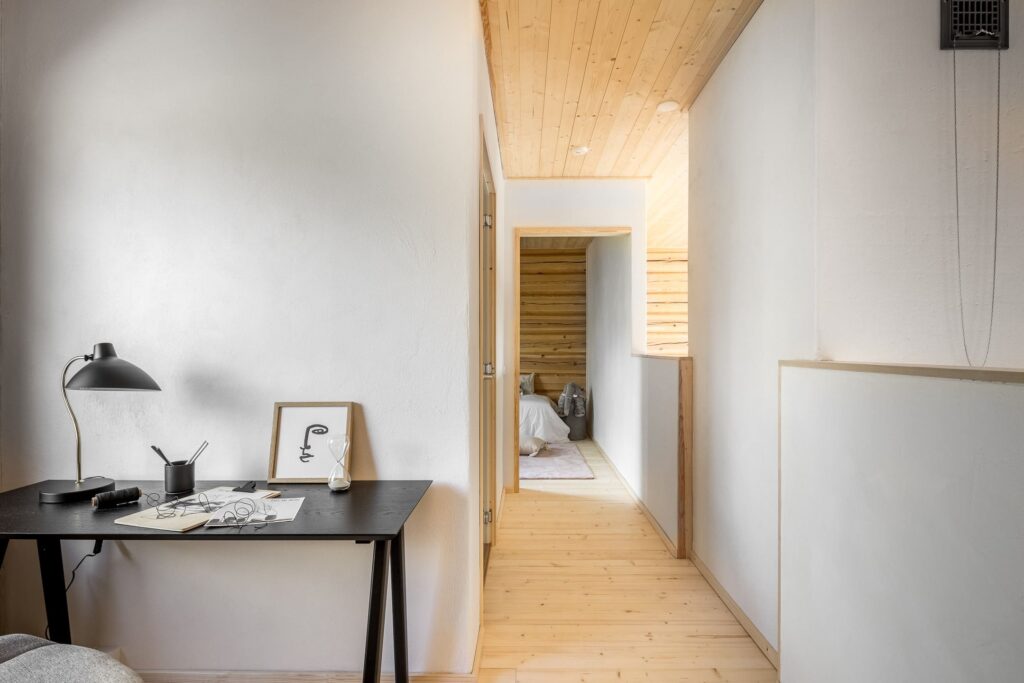
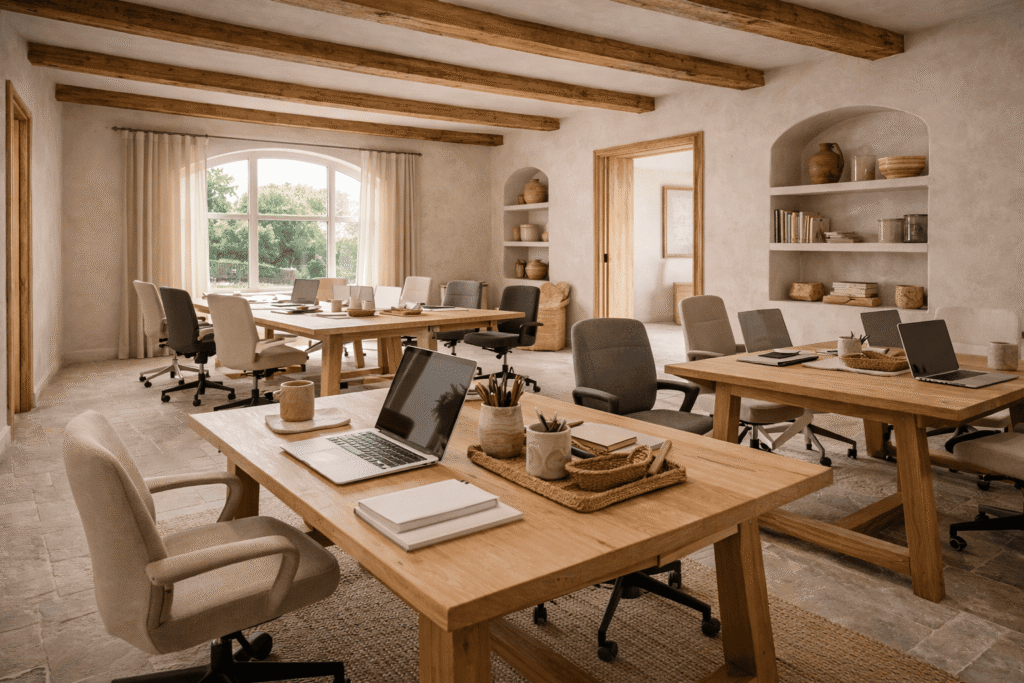
Workspaces (offices / home office)
In studios and work areas, the earthy tones and diffused light generated by clay create a calm and concentrated atmosphere, without visual “coldness”.
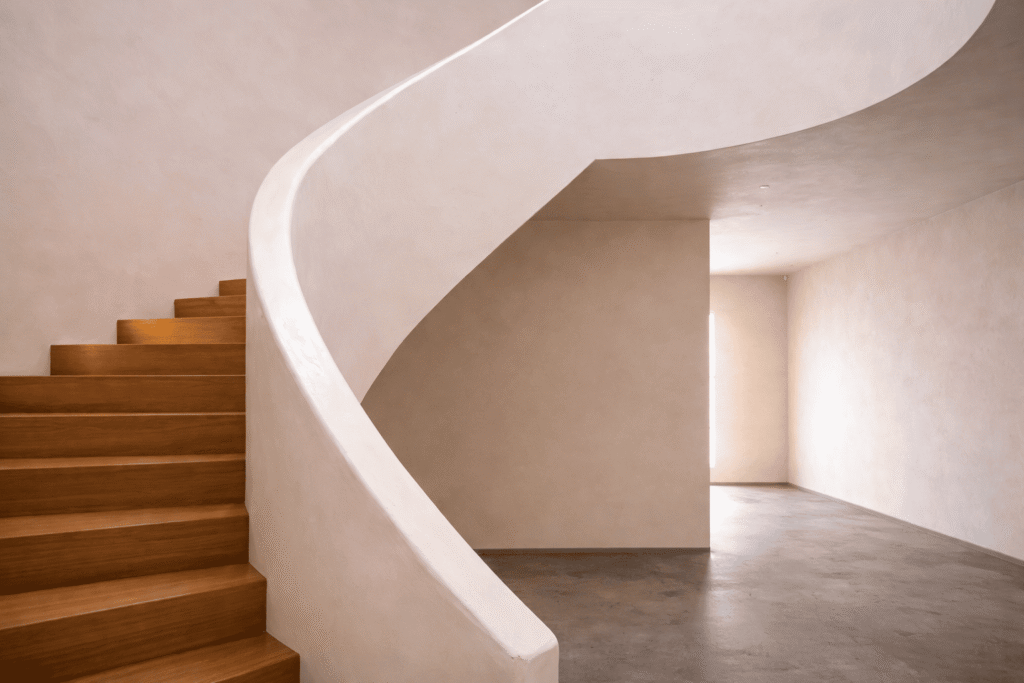
Corridors and transit areas
In corridors, entrances and hallways, clay provides visual continuity and warmth. In addition, as it is a very aesthetically “honest” material, it turns passageways into spaces with identity.
Despite its many advantages, clay also has certain limitations that are worth being aware of.
In general, clay coatings:
For this reason, they are not normally used in areas such as showers or surfaces subject to frequent splashes.
However, under normal indoor use conditions, its durability can be very good.
One of the practical advantages of clay is that it is usually a relatively easy material to repair.
In the event of small marks or superficial damage, it is possible to touch up or redo the affected area locally without the need to renew the entire coating.
In addition, over time the clay can develop a slight patina that many users consider part of the natural charm of the material.
A growing trend in natural interior design
In recent years, clay has gone from being a material mainly associated with bioconstruction to becoming a finish that is increasingly present in contemporary interior design projects.
Architects and decorators use it to create interiors with:
In a context where environmental comfort and the authenticity of materials are increasingly valued, clay wall tiles represent a very interesting option for those looking for natural, welcoming interiors with personality.
Silicate coatings (or potassium silicate finishes) are one of the most interesting mineral solutions when we are looking for a very durable, breathable and stable finish over time, especially on facades and also in interiors with matte mineral aesthetics.
In decoration and interior design, they are valued for two key reasons:
On a technical level, their “secret” is that they do not limit themselves to “sticking” to the support like a conventional paint: they react chemically with it.
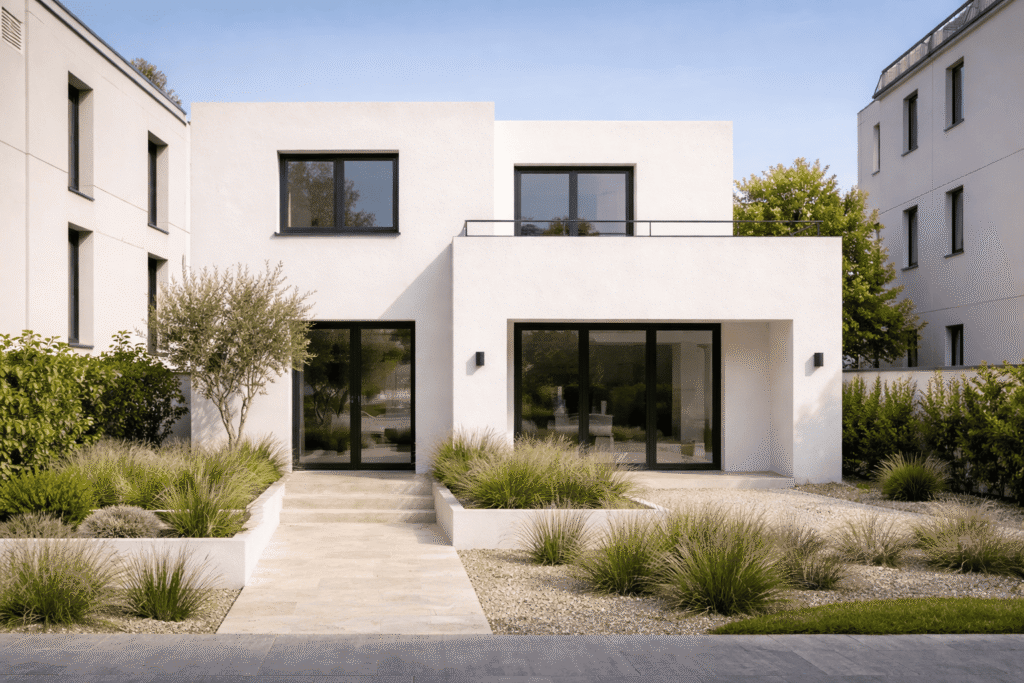
A silicate coating is a mineral finish based on potassium silicate (also called “liquid glass”), which when applied to suitable mineral supports is bonded together by a process known as silicatization.
Simply put:
The coating becomes part of the mineral support, creating a very strong and stable bond.
This explains why silicates are used so much in:
Silicatization is a chemical reaction between the silicate and the mineral support (mineral plasters, mortars, concrete, etc.). This reaction:
The important thing to understand is this:
If you have a compatible mineral support, silicate is one of the most “robust” and “for many years” options.
1) High breathability
They are mineral finishes designed to allow the diffusion of water vapour. This makes them especially interesting in rehabilitation and façades where it is advisable to avoid “closing” the wall with plastic layers.
2) Great stability and durability
Silicate excels in aging resistance: the tones and integrity of the finish are well maintained if the system is properly applied.
3) High alkalinity
Like other minerals (e.g. lime), they tend to have a high pH, which can help reduce the appearance of microorganisms under certain conditions (something especially sought after outdoors and humid areas).
4) Very elegant mineral matte finish
In interior design, mineral matt is perceived as “more sophisticated” than plastic matte: it absorbs light in a different way, with a more natural and architectural appearance.
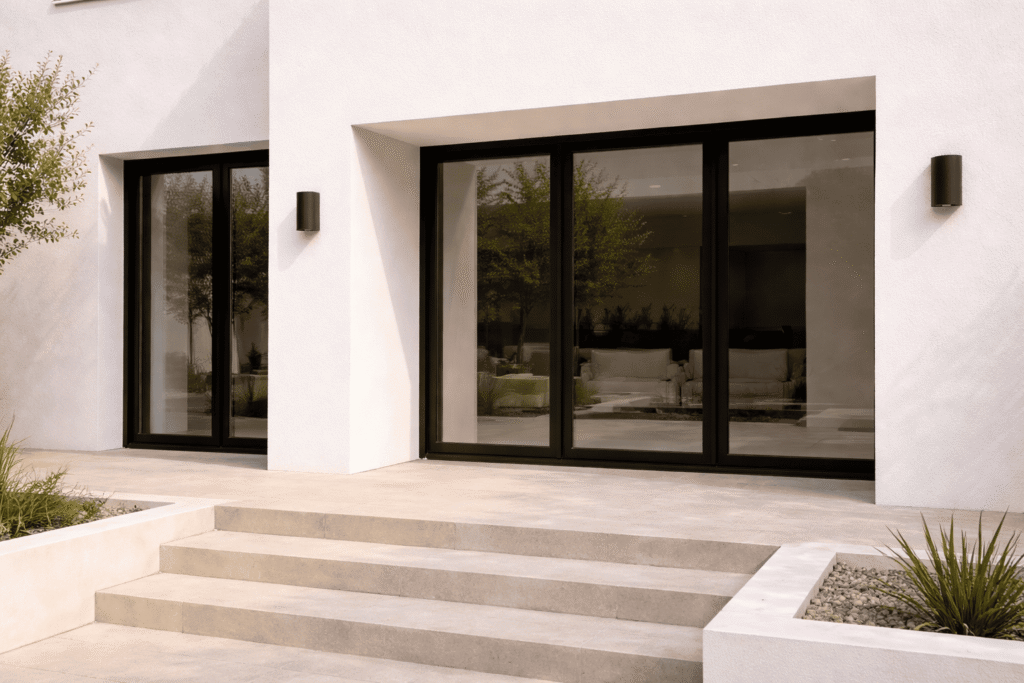
Although they are often associated with facades, silicates have a very interesting decorative potential in interiors, especially when we are looking for:
An interior with a matte mineral finish usually conveys a more “architectural” feel: clean, sober, timeless.
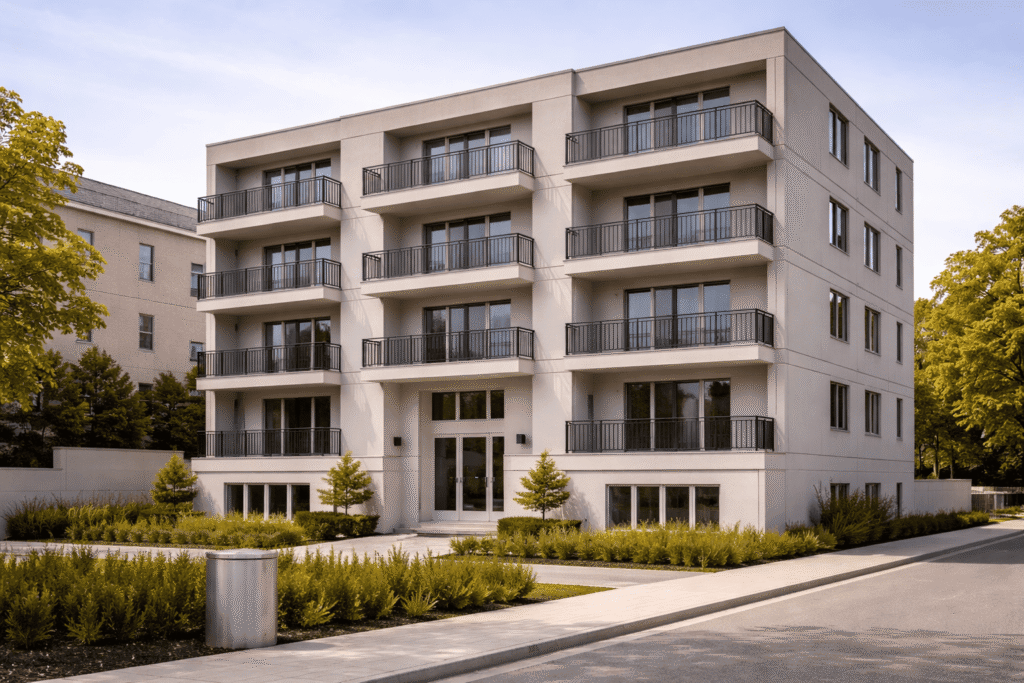
Facades
It is their natural terrain:
Outdoors, the key is that they work especially well on mineral supports and within coherent systems (without incompatible layers underneath).
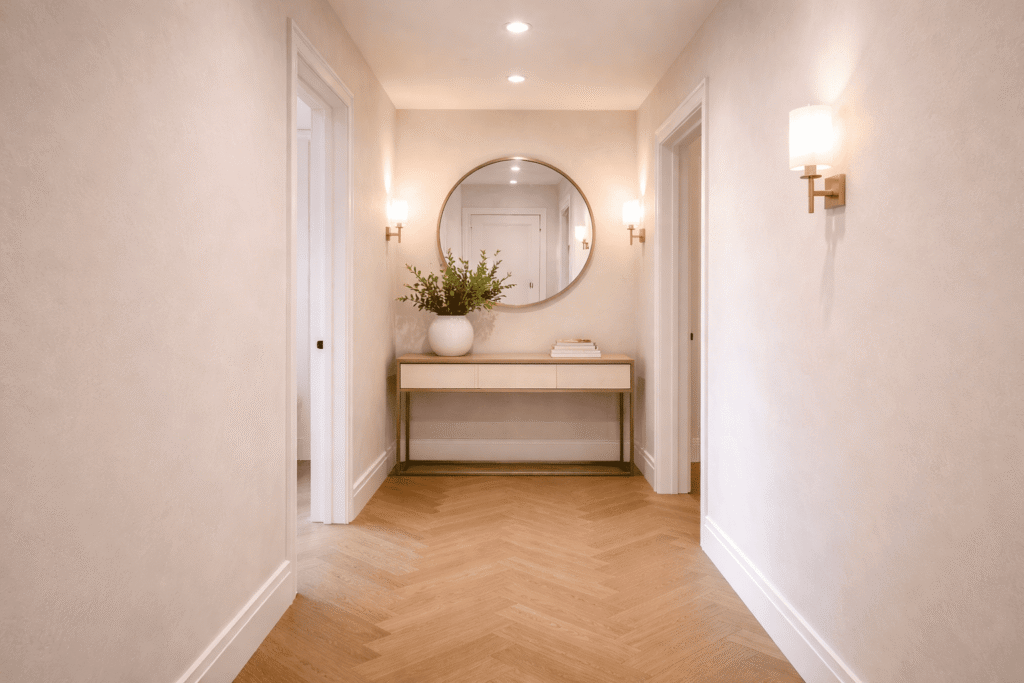
Interiors with matte mineral finish
They are used in:
Here’s a key idea to avoid problems: silicates require suitable mineral supports.
They usually work well on:
And they can cause problems if they are applied to:
For this reason, in rehabilitation it is common to need correct preparation of the substrate (cleaning, removal of old incompatible layers, mineral primer when necessary, etc.).
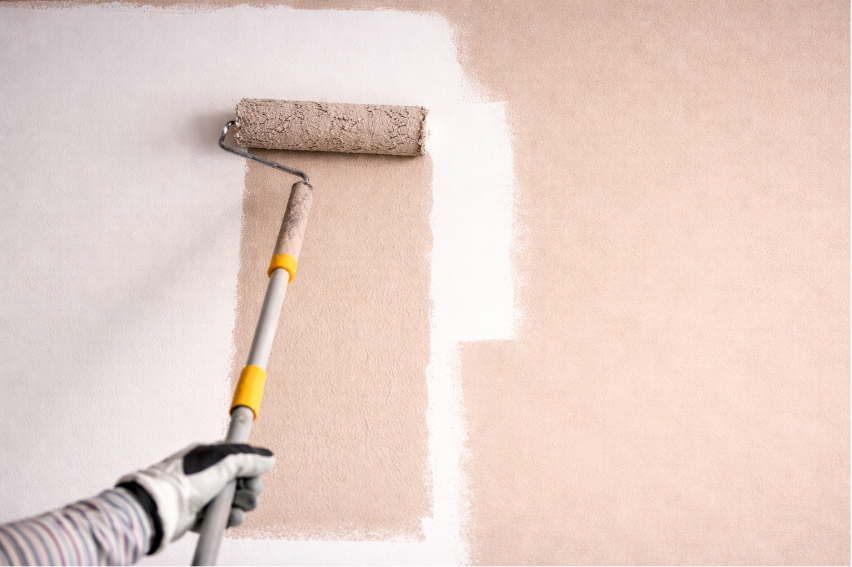
Silicate is an excellent choice if you’re looking for:
Lime micromortars (also known as “low-thickness continuous mineral coatings”) are one of the most sought-after solutions in contemporary renovations and interior design today, because they allow you to create continuous, joint-free, mineral-looking surfaces, suitable for walls and, in certain systems, also for floors.
Its great decorative appeal is evident: visually “clean” spaces, with a very modern architectural reading. But its value is not only aesthetic: when the system is well chosen and applied, it can offer a very interesting combination of naturalness, mineral touch, resistance and coherence with breathable supports.
What exactly is a lime micromortar
A lime micromortar is a mineral coating (lime base + selected mineral fillers) designed to be applied in thin layers, usually with a trowel, and achieve:
Important: “lime micromortar” is not a single, standardized term for all manufacturers. The formulation, the layering system, the level of resistance and, above all, the type of final protection can vary.
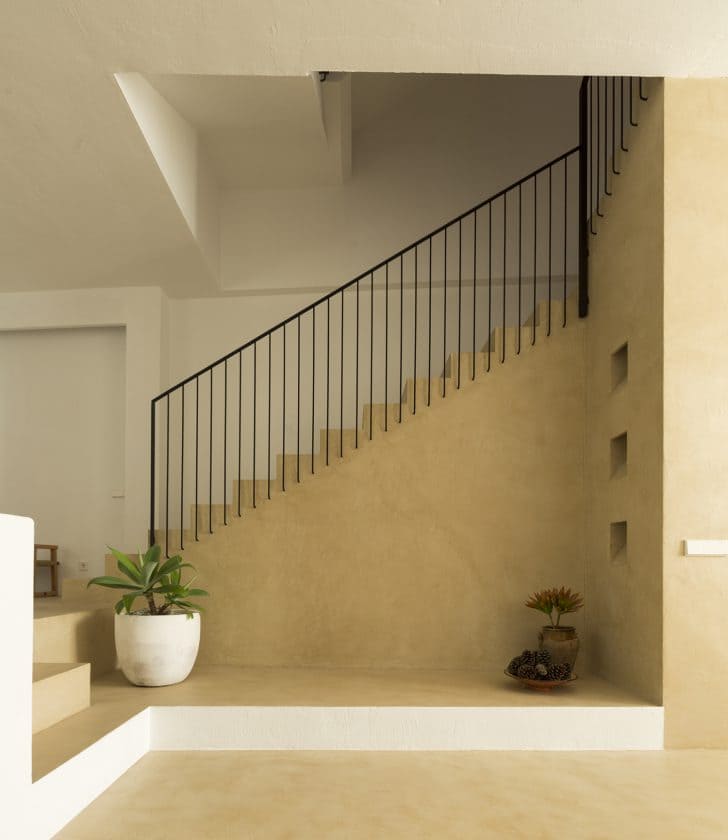
Why it is so current in decoration and interior design
In contemporary interior design, there is an increasing search for:
Lime micromortar fits very well in styles such as:
And, on a practical level, it is especially attractive in renovation because it can avoid lifting coatings if the support is stable and prepared correctly.
What it brings compared to other finishes (without going into “material wars”)
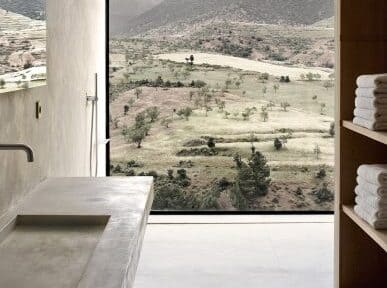
Bathrooms
The bathroom is one of the “star” places of continuous cladding: it organizes visually, expands the space and gives a “spa” look.
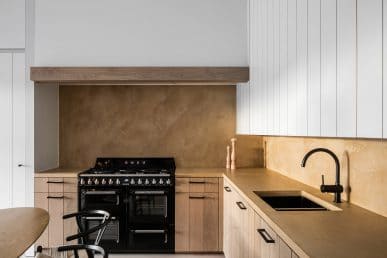
In cooking it is mainly used in:
Why people like it so much: Create contemporary, bright kitchens without visual “cuts”, especially in minimalist or Mediterranean projects.
Practical key: in areas of splash and grease, the choice of protective finish and maintenance (proper cleaning) are decisive.
Here the lime micromortar works as an “architectural background”:
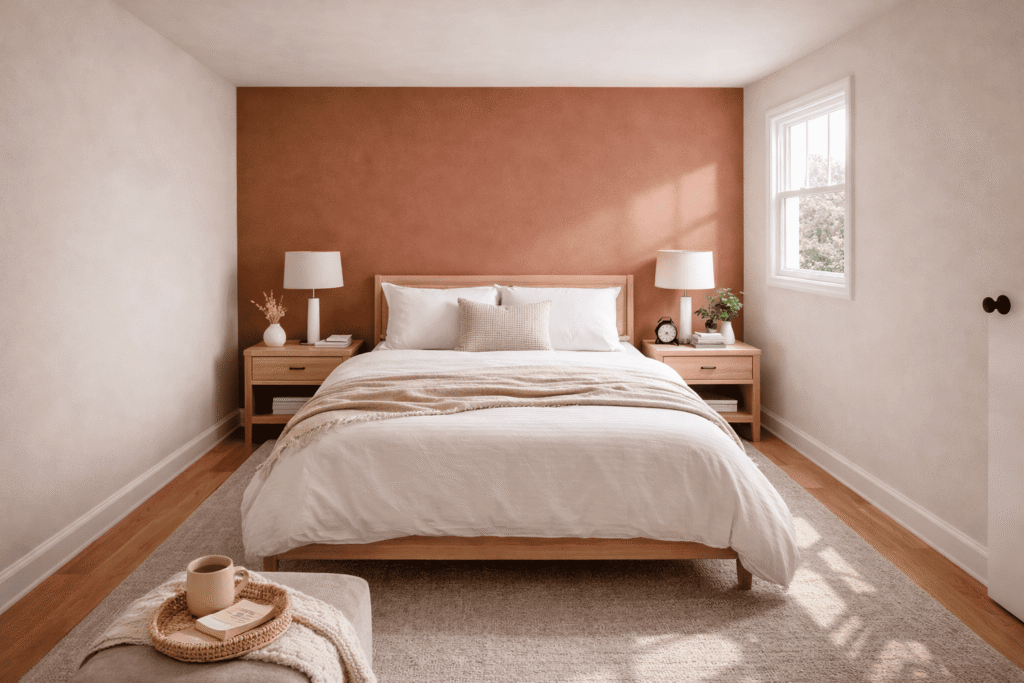
It brings visual calm and, at the same time, an elegant material presence. It’s a way of “decorating without decorating”: the wall is the element.
One of the most powerful uses in renovation is when you want several rooms to “speak the same language”:
This generates a feeling of spacious, more coherent and “premium” housing.
In continuous coatings, what marks the result (and durability) is usually:
Therefore, in demanding areas (bathrooms/kitchens), it is important to understand that it is not only “the micromortar”, but the whole system.
It is not a “miracle” material: in areas with constant direct water or very aggressive use, you have to choose the right system and protection.
Well applied, a lime micromortar ages with a natural patina that many users love, especially in organic and wabi-sabi environments.
Common recommendations:
It is a particularly interesting option if you are looking for:
Choosing a mineral decorative coating is not just an aesthetic issue (“I like that texture”), nor just a technical one (“it’s breathable”). In reality, the good choice is made by crossing 4 variables:
If you get these four right, the result is usually really beautiful walls, with comfort, durability and coherence with your home.
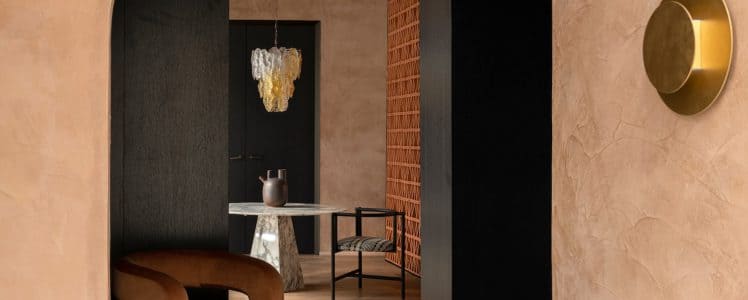
A) Dry interior (living room, bedrooms, hallways, corridors)
Here you have more aesthetic and technical freedom. They usually work very well:
📌 If you want a wall “with presence” without overloading: lime or lime micromortar.
B) Humid interior (bathrooms and kitchens)
Here we have to refine more, because it is not the same:
Common options:
📌 Decision key: in bathrooms/kitchens, the complete system (layers + final protection) is more important than the “name” of the cladding.
C) Exterior (facades, patios, exterior walls)
Here the usual thing is to prioritize durability, breathability and stability:
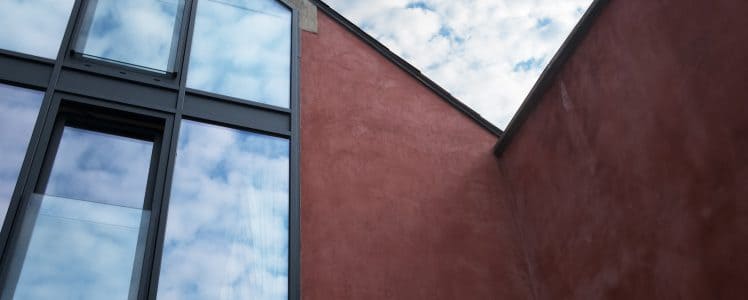
📌 If you are looking for “mineral façade for many years” and compatible support: silicate is usually one of the top options.
Living room
Usual objective: aesthetics + warmth + main wall.
Recommendations:
✅ Ideal: choose a main wall (sofa or fireplace) and the rest more neutral.
Bedroom
Usual goal: serenity + well-being + soft visual touch.
Recommendations:
✅ Very good idea: sand/stone/greige tones and subtle texture (not excessive).
Entrance hall / entrance
Usual objective: visual impact + resistance to rubbing + identity.
Recommendations:
✅ Interior design advice: a mineral coating at the entrance “sets the level” of the entire house.
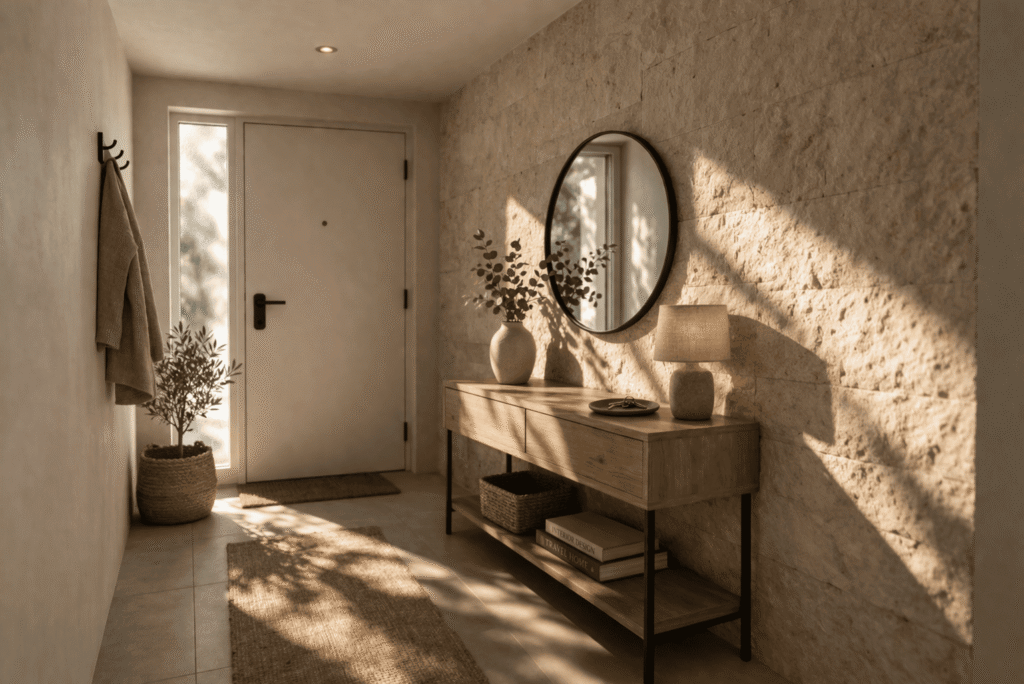
Aisles and distributors
Usual objective: visual continuity + resistance + ease of maintenance.
Recommendations:
✅ Great resource: use the same coating in hallway + living room to “make house bigger”.
Bathrooms
Here we divide by zones:
General bathroom (no direct water):
Shower/direct water areas:
✅ Decorative tip: warm tones + soft texture + grazing lighting = immediate “spa” effect.
Kitchens
Usual objective: current aesthetics + cleaning + splash resistance.
Recommendations:
✅ Practical clue: If you are behind fires/sinks, the right protective finish and cleanliness are decisive.
In mineral decorative coatings (lime, clay, silicate and lime micromortars), the final result depends on both the material chosen and how the substrate is prepared and how the system is applied.
A “beautiful” wall with a mineral finish is not achieved only with a good product: it is achieved with a stable base + correct preparation + technique + time.
This point is designed so that, as an end customer or as an interior design professional, you can understand the process, know what to demand and avoid the mistakes that cause the most problems on site.
Before we talk about tools or finishes, there’s one key idea:
A mineral coating is not intended to “cover” support problems.
If the substrate is loose, dusty, with poorly adhered plastic paint or with active moisture, the coating will fail or look ugly (or both).
Therefore, the first step is always to diagnose:
📌 Practical tip: if white powder or the wall “chalk” remains when you pass your hand, you have to consolidate or prepare yes or yes.
Preparation changes depending on the medium, but usually includes a combination of these steps:
A) Cleaning and sanitation
Why: Adhesion in mineral systems is based on a clean, consistent foundation.
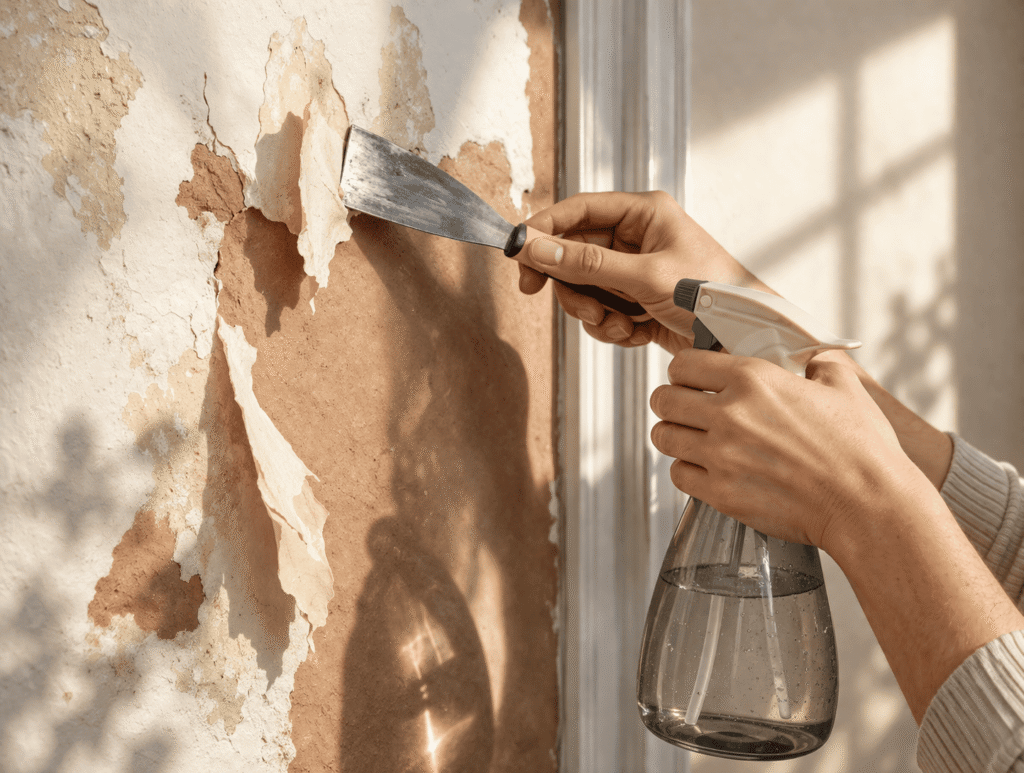
B) Removal of incompatible layers (when applicable)
In renovation or old homes, this point is decisive.
Mineral coatings don’t get along with:
What is usually done:
📌 If it cannot be completely removed, it is usually necessary to use adhesion bridge solutions or compatible systems (professional judgement is appropriate here).
C) Regularization and leveling
If the wall has many imperfections (bumps, strong waves), it is advisable to level:
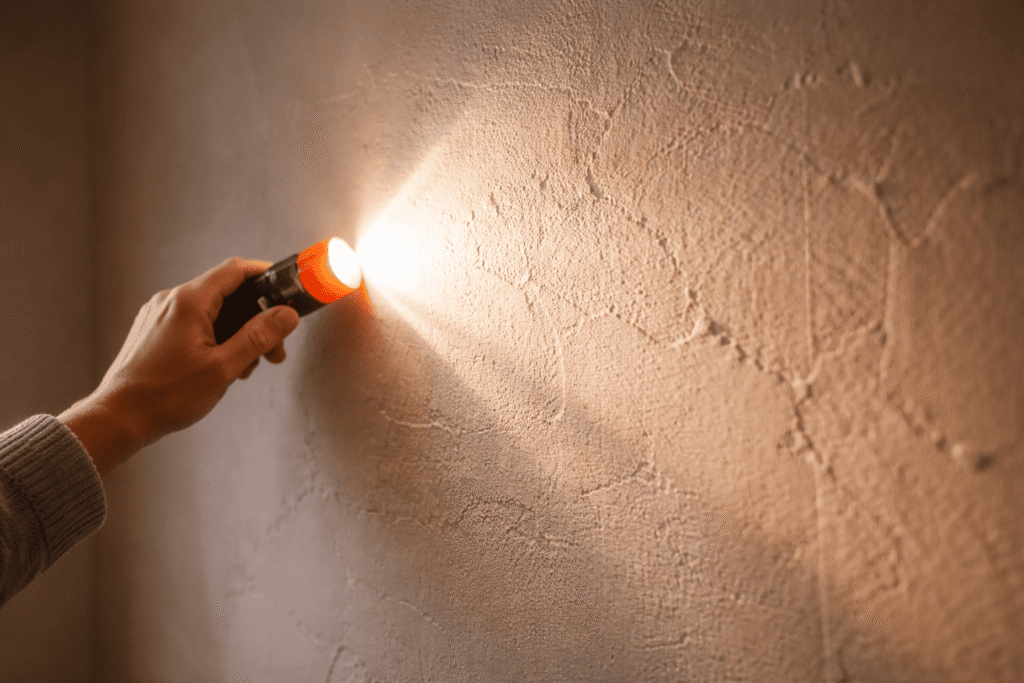
Why: In continuous decorative finishes, the irregularity of the support is “read” and very noticeable in grazing light.
D) Consolidation (when support is weak)
When the foundation is undone, “sandblasted,” or has poor cohesion, a compatible consolidant is applied.
Why: If the wall is not cohesive, the siding can be gripped… but it will go with the support.
E) Compatible primer
In mineral coatings, primer is not an “extra”, it is part of the system.
It is used to:
📌 This is especially important in silicates and lime micromortars (due to their requirement for uniformity and adhesion).
It depends on the coating and the expected level of finish.
You can think of it as “do it yourself” if:
A professional is highly recommended if:
📌 In interior design, a beautiful mineral finish depends a lot on the hand of the applicator. The same material can look “normal” or spectacular depending on the technique.
Mineral coatings should not be treated like a quick paint.
There are three reasons:
General good practices:
📌 “The beautiful” in mineral often appears when time is respected.
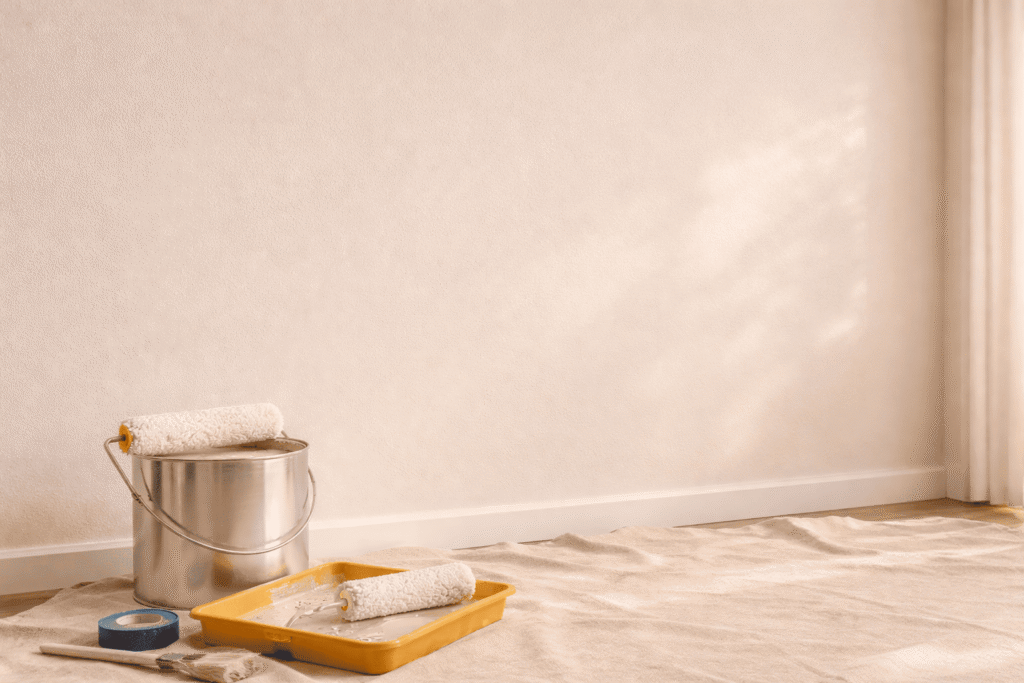
Without going into specific numbers (which depend on the manufacturer), there are universal recommendations:
Why: Drying too quickly can lead to:
Lime coatings
Aesthetic key: lime is enjoyed in the nuances; The finishes look different depending on the light.
Clay Coatings
Practical key: it is easily repairable locally, but it is not for constant direct water.
Silicate Coatings
Technical key: silicate “works” when it silicatizes with the support; If there are plastic layers underneath, it can fail.
Micro lime mortars (continuous coatings)
Interior design key: with grazing light, any defect is visible. The base and the hand matter as much as the product.
Before applying to the entire home, it is advisable to do a test:
This allows you to check:
📌 Many mineral finishes “surprise” when they dry: testing is part of the process.
Here are some very useful tips for achieving a “design” result:
Below, we bring together the most common doubts of those who want to incorporate mineral decorative coatings (lime, clay, silicate and lime micromortars) in their home, and also of decorators and interior designers who need clear criteria to specify them in the project.
No. Although they are traditional materials, today they are widely used in contemporary interior design because they provide something highly sought after: real texture, mineral matte finish, depth and warmth.
They fit perfectly into current styles such as:
The main difference is the subject matter (and the visual effect):
That’s why a cladding can become a design element on its own, without the need to add more decoration.
All well-formulated and applied mineral coatings are usually very healthy options, but if we talk about interior sensations:
In any case, the important thing is to choose a coherent system that is compatible with the support.
It depends on the style you’re going for:
📌 If what you want is a “protagonist” wall with personality without overloading, lime or micromortar are usually very powerful bets.
Yes, but with important nuances.
📌 Key difference: “humid environment” is not the same as “constant direct water.”
In general, mineral coatings are characterized more by their breathability than by being “waterproof” in the style of a plastic layer.
📌 Important: in healthy construction, it is often more important to manage humidity (breathability) than to completely “seal” the wall.
In many cases, yes.
📌 Tip: Always save a small amount of the material (or note the exact system) for future repairs.
Yes, and in fact in reform they make a lot of sense.
In reforms, what most conditions success is:
Quick Orientation:
Choose only for the photo or for the aesthetics without considering:
📌 In minerals, “the wall rules”: support and system are as important as the finish.
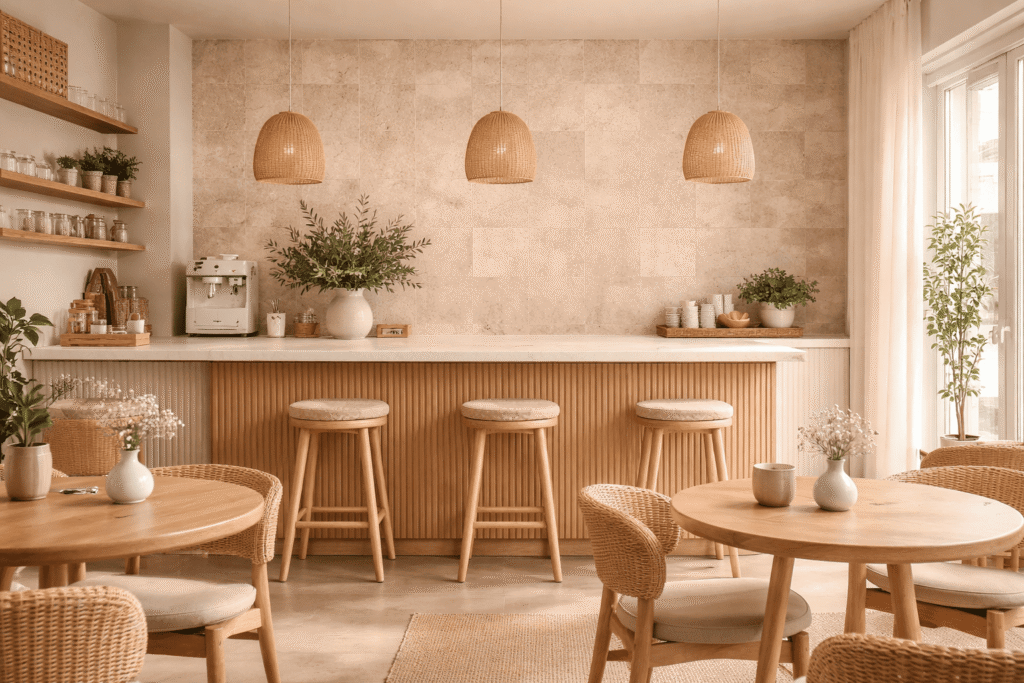
Mineral decorative coatings – lime, clay, silicate and lime micromortars – demonstrate that tradition and modern design can go hand in hand. They are natural materials that not only provide an aesthetic finish: they provide depth, real texture and a unique atmosphere that is perceived as soon as you enter a room.
Throughout this guide we have seen that choosing well does not depend only on “what looks beautiful”, but on finding the balance between:
When these elements fit together, the result is usually the most sought-after in any interior design project: a home with visual calm, honest materials, comfort and a finish that ages naturally.
At RedVerde we believe that a beautiful house can also be a healthy house. That is why we are committed to mineral and natural systems, consistent with bio-construction and contemporary decoration: finishes that do not seek to “look” like something, but to be real material, with its texture, its light and its character.
👉 If you are considering incorporating these coatings in your home or in an interior design project, we invite you to discover RedVerde’s solutions: from lime and clay coatings, to silicates and lime micromortars for continuous finishes. You will find options for different styles, rooms and needs, always with a focus on naturalness, breathability and mineral aesthetics.