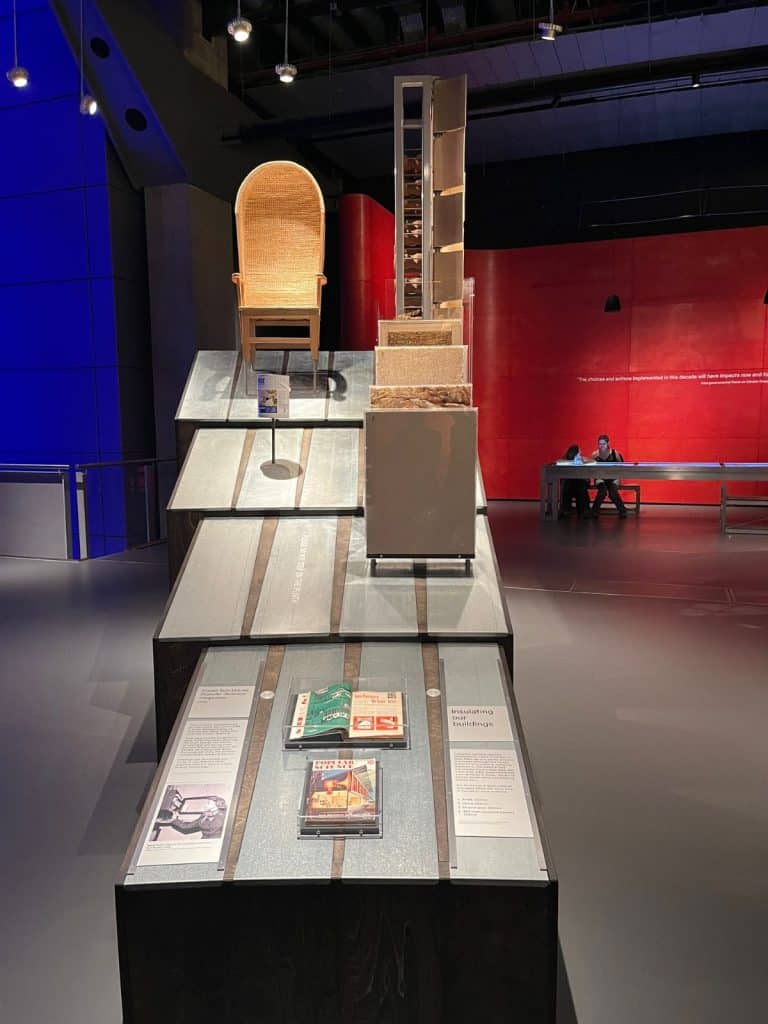

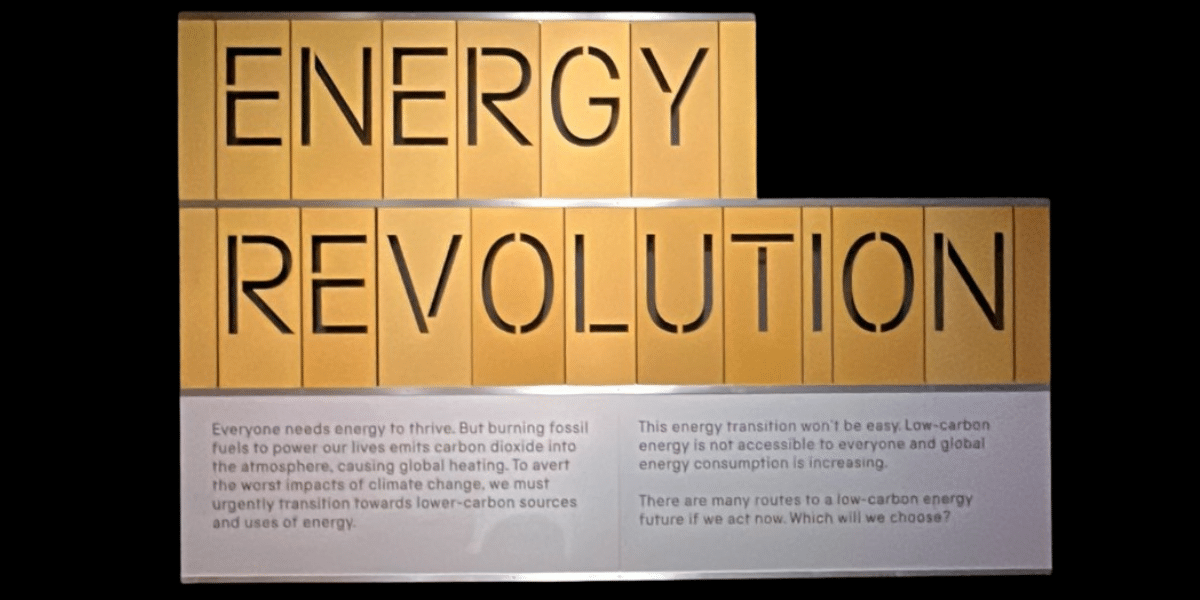
The exhibition “Energy Revolution: The Adani Green Energy Gallery” at the Science Museum in London poses a direct and urgent question: what will the energy transition we need look like? And, above all, what role will construction play in that change?
At RedVerde we have argued for years that there is no energy transition without a transformation in materials and in the way we design our buildings. That is why this exhibition is especially significant: it brings together emerging technologies, natural materials and passive systems that invite us to rethink how we build and inhabit.
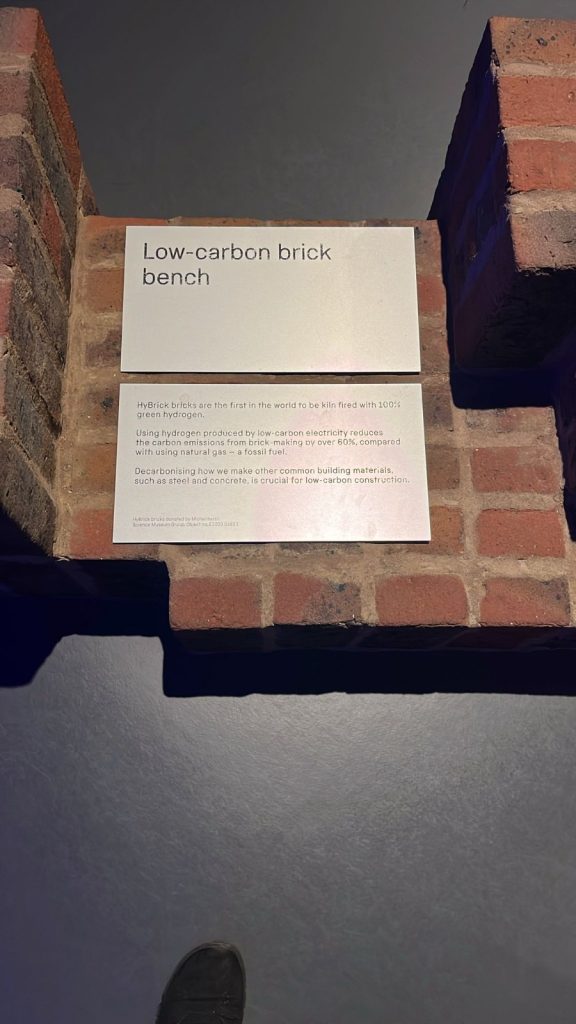
One of the most powerful areas of the exhibition focuses on the decarbonization of buildings. As it recalls, the construction sector is responsible for a large percentage of global emissions, not only because of the energy use of buildings, but also because of the environmental impact of the materials we use.
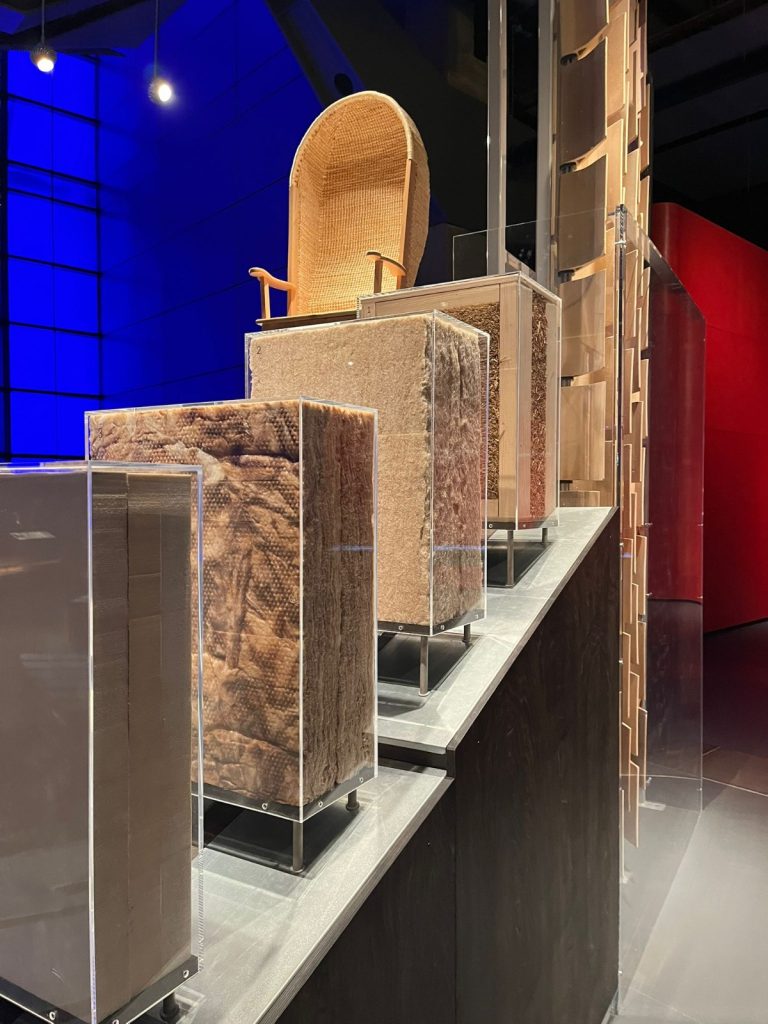
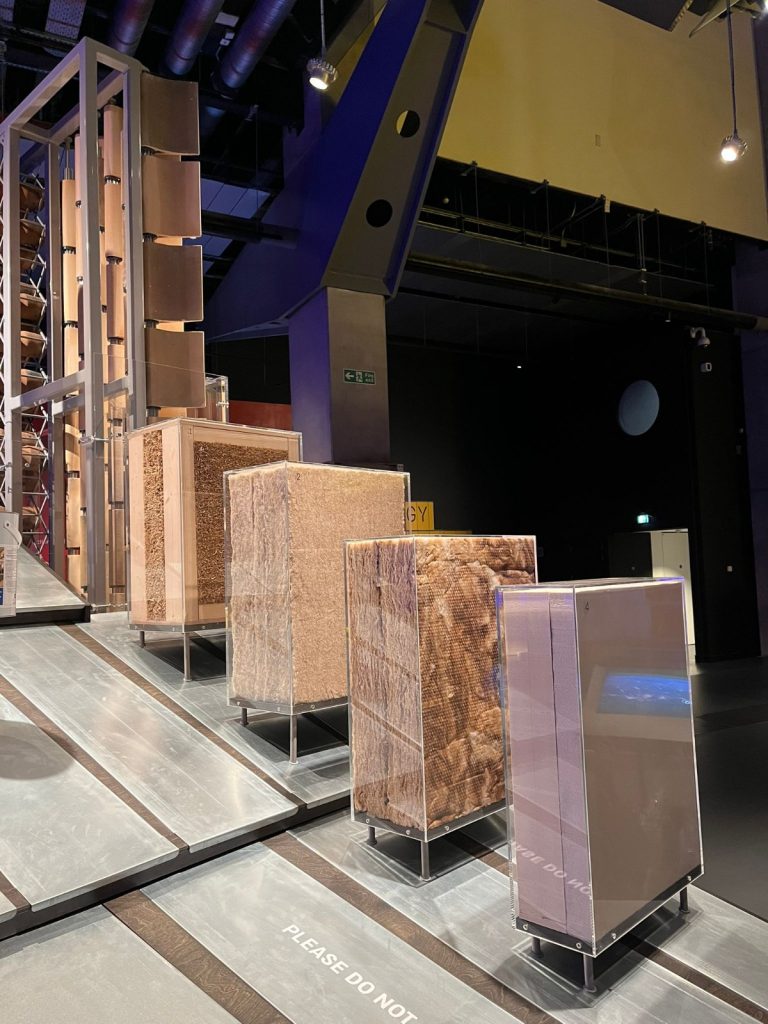
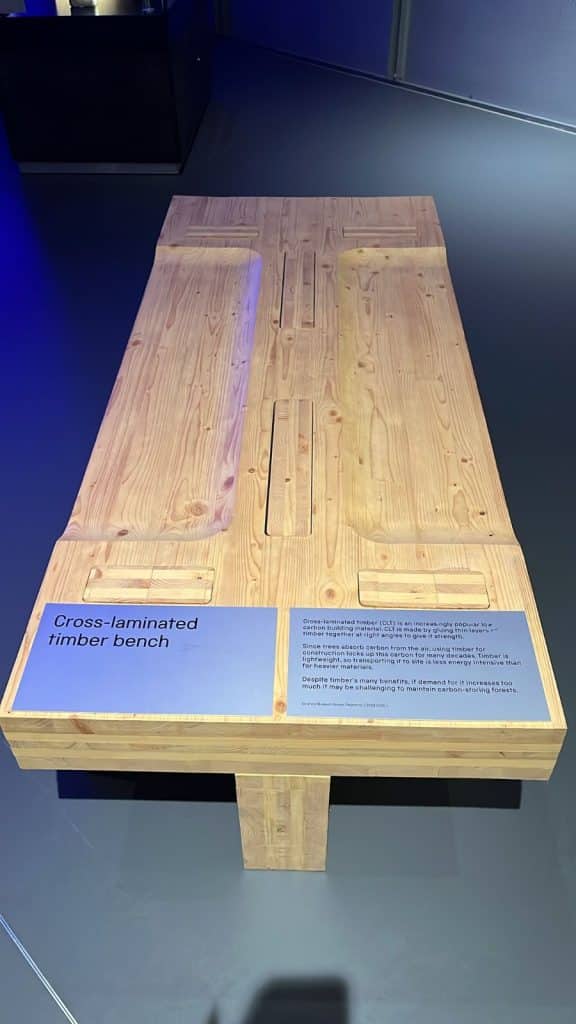
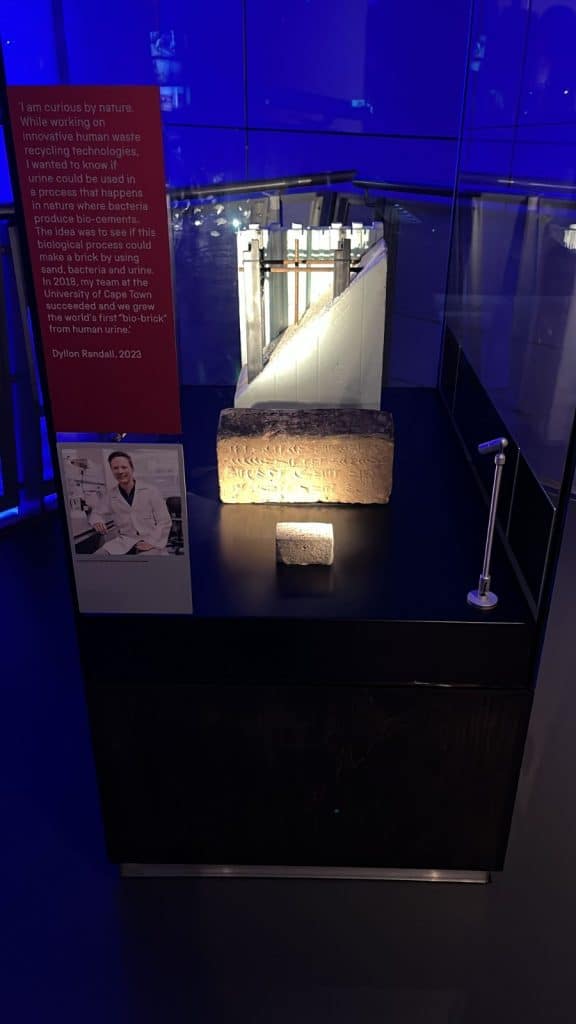
Among the most notable solutions are:
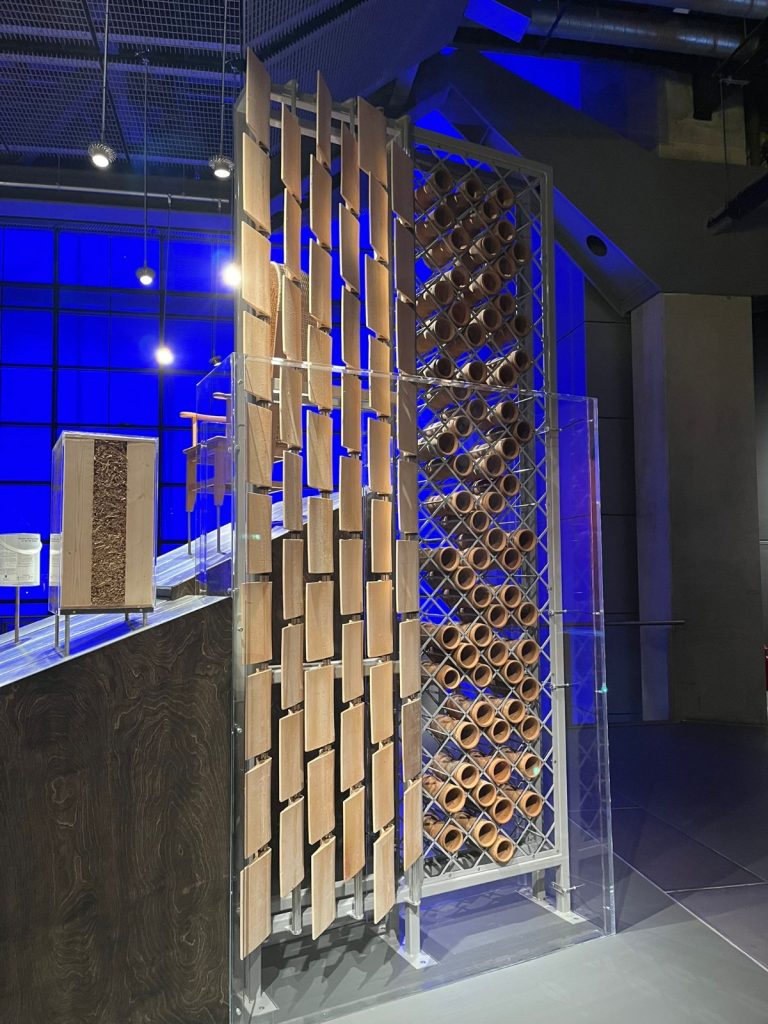
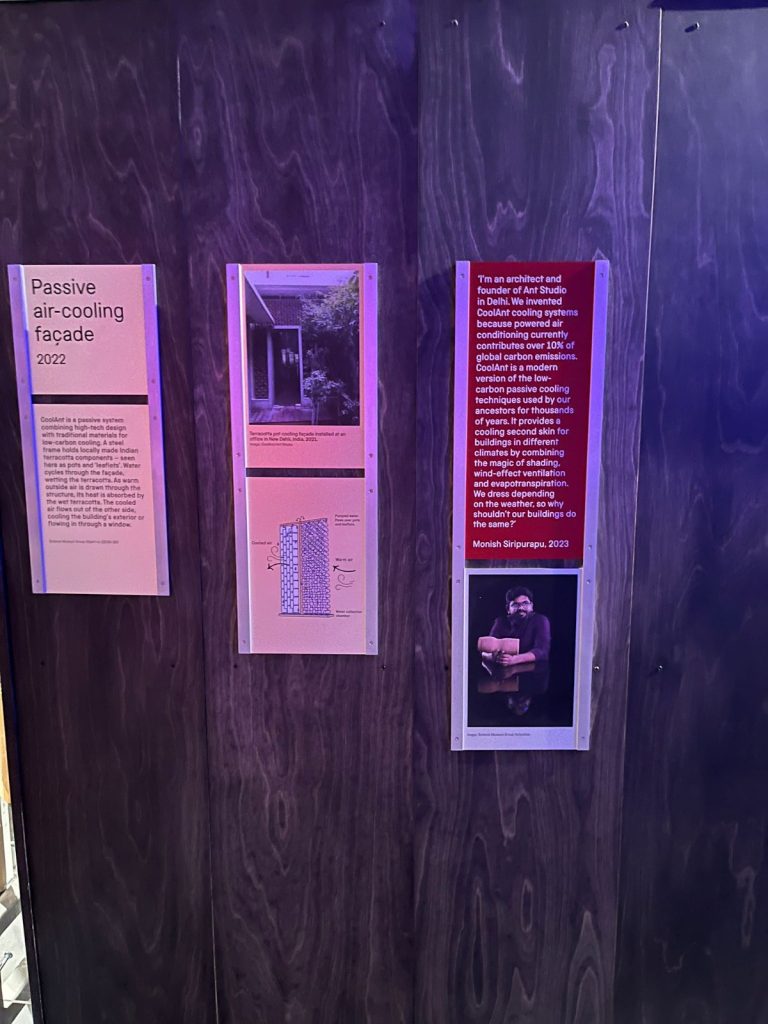
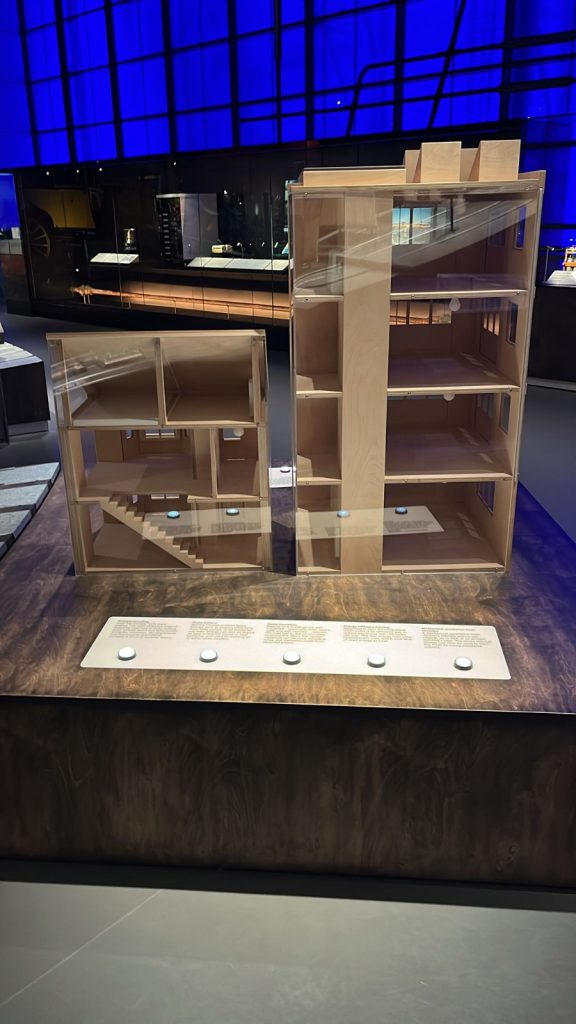
Not everything innovative is new. The exhibition also revives passive solutions and vernacular designs that already demonstrated efficiency before the term “energy efficiency” existed:
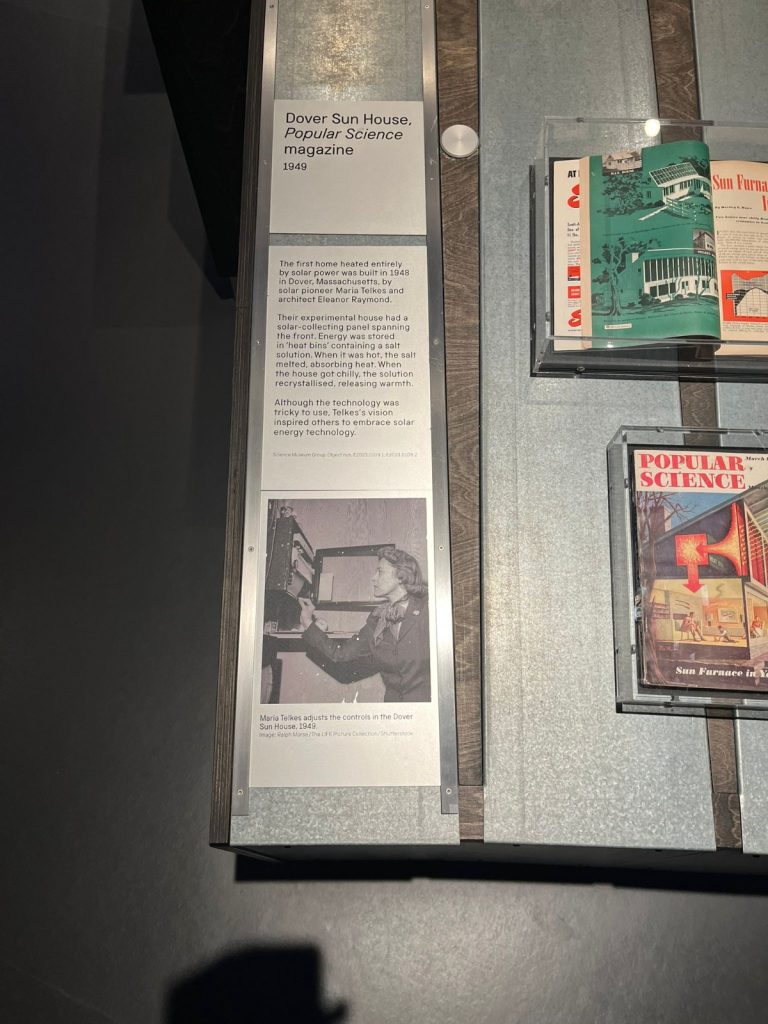
The exhibition proposes an integrated approach: the building not as a static structure, but as a living organism, in constant dialogue with the climate, light, shade and energy. Among the solutions that exemplify this vision are:
In addition, the focus is placed on the fact that innovation does not have to be complex or expensive. In fact, many of the most efficient solutions are accessible, replicable and adaptable to different climate zones and economic contexts.
“Energy Revolution” is not a futuristic exhibition: it is a call to the present. A demonstration that we already have the tools we need to turn the construction sector into a driver of positive climate change.
What this exhibition shows is that the solutions already exist. They lie in cutting-edge technology, yes; but also in traditional wisdom, in natural materials, and in the everyday decisions we make when we build, renovate or decorate a space. At RedVerde we are committed to this hybrid model: technology + tradition. Innovation + coherence, respecting the environment and those who inhabit the buildings.
We see it every day: both in the materials we distribute and in the bioconstruction projects we support. The combination of healthy materials, passive design and environmentally respectful techniques is not a utopia, it is a reality within reach of those who want to do things differently.
Want to know how to apply these solutions to your project? Write to us. The future is built today, and it can be as beautiful as it is efficient.