
For centuries, lime has been one of the most widely used materials to protect and beautify inhabited spaces. Long before the advent of industrial paints, homes were painted with lime for one simple reason: it worked well in homes.
It was not a random aesthetic choice, but a logical response to the needs of traditional housing: breathable walls, humidity regulation and healthier spaces.
In the past, simple techniques and materials available in the environment were used: lime, clays, natural oils or mineral pigments. These solutions did not seek complex decorative effects, but rather to create habitable, durable and healthy spaces.
Today we live in a different context, but the need is the same. The difference is that we now have ecological products formulated specifically for interiors, which recover the virtues of these traditional materials and adapt them to current demands for comfort, ease of use and durability.
Lime paint is a mineral coating made from stinted lime and natural pigments. Its behavior is very different from that of synthetic paints:
These characteristics make it continue to be a highly valued option for interiors where health, balance and material coherence are sought.
Traditionally, lime was prepared on site, with highly variable results and demanding application. Today, the evolution of materials has made it possible to develop ready-to-use lime paints, which are more stable and adapted to today’s homes.
This is the caseof ecological lime paints such as Colorlime, which maintain the essential properties of lime, breathability, naturalness and comfort, but with a formulation designed to:
Thus, the spirit of the traditional technique is preserved, but with greater security and ease for those who paint their house today.
One of the great values of lime paint is its ability to manage ambient humidity. By not sealing the support, it allows the walls to “breathe”, which is especially important in older homes or in spaces with poor ventilation.
In practice, this translates into:
For this reason, lime paint continues to be a great ally in the creation of healthy interiors.
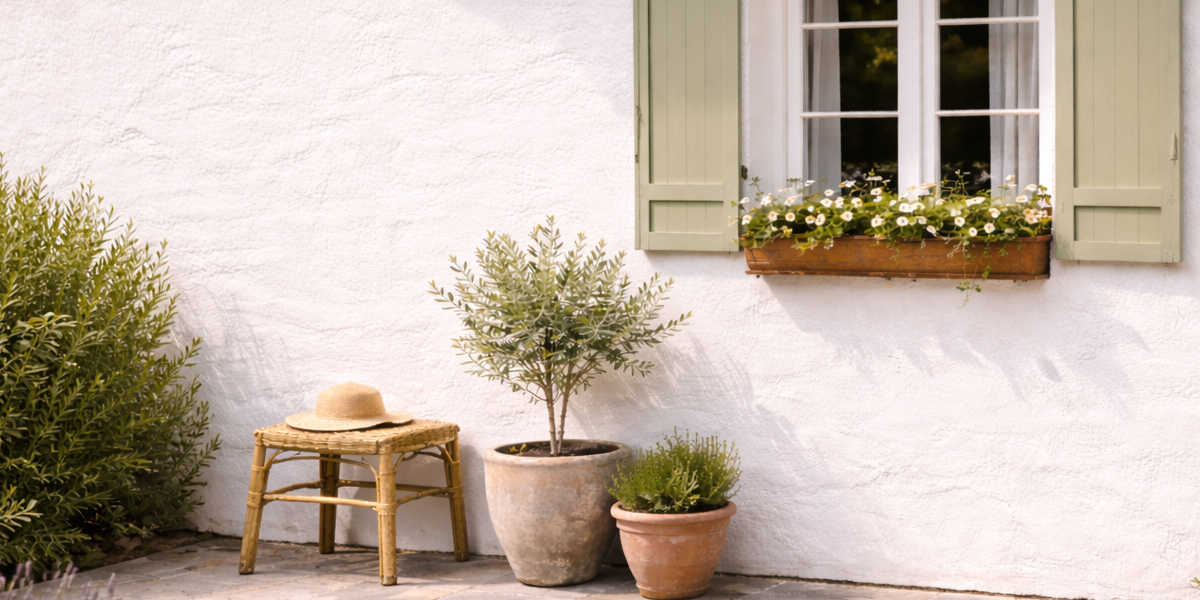
Lime paint has not been used solely in interiors. Historically, it has been one of the most common coatings on facades and exterior walls, especially in Mediterranean climates and rural areas.
Its ability to protect the substrate without sealing it, allow moisture to evaporate and adapt well to temperature changes has made lime a particularly suitable material for outdoors.
On facades, walls and enclosures, lime paint helps to:
Today, ecological lime paints formulated for outdoor use allow these advantages to be recovered with more stable and controlled products, adapted to current demands for durability and climate exposure. In this way, limescale remains a consistent choice for both indoors and outdoors, as long as it is used on compatible substrates and with a suitable application.
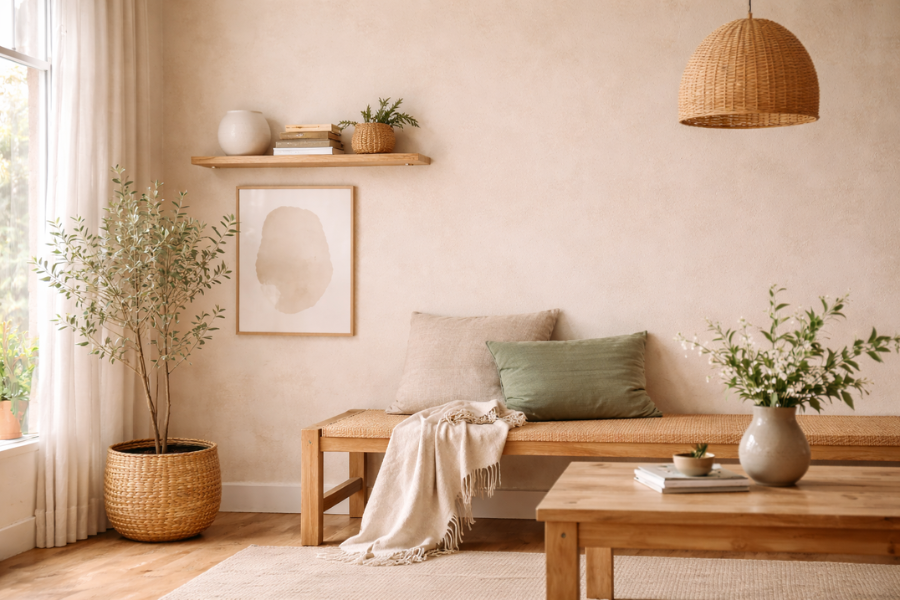
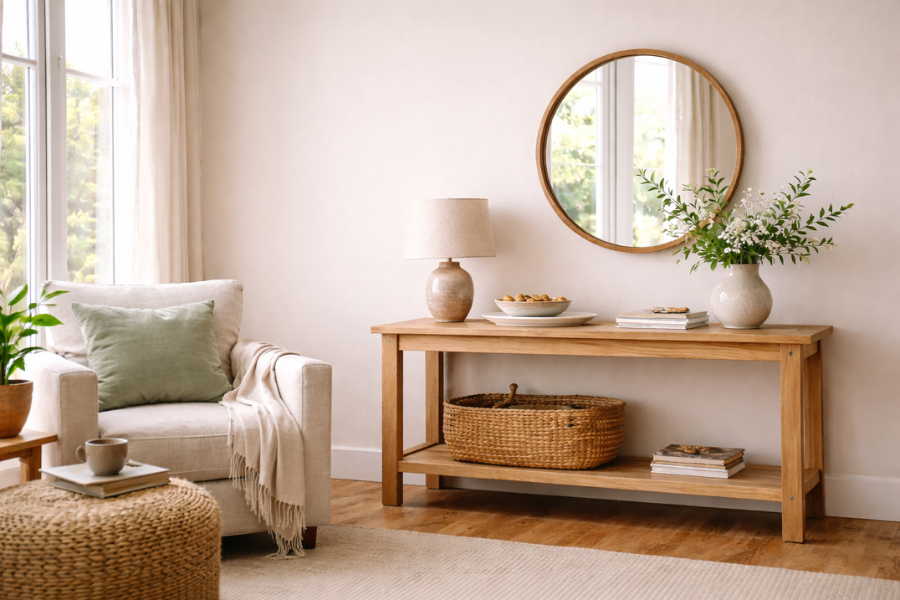
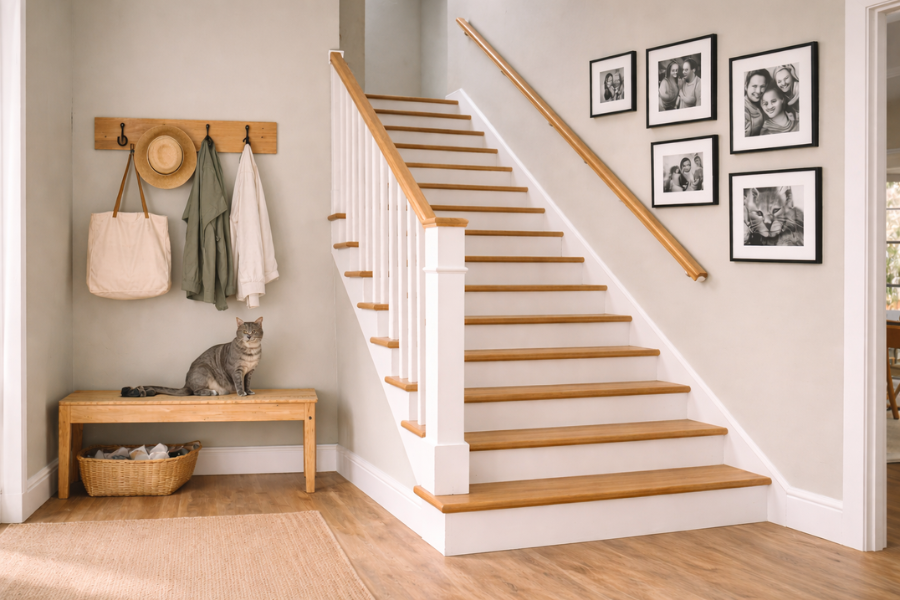
Far from being a material of the past, lime fits perfectly in contemporary homes. It is used both in:
The key is to choose the product well and understand how it behaves, which is essential to obtain a good result.
Lime paint does not seek perfect uniformity. Its value lies in:
This type of surface adds character and calm to spaces, avoiding excessively flat or artificial finishes. That is why they are so appreciated in projects where the material has a leading role.
Although more accessible lime paints are available today, it is still essential to apply the material correctly. The preparation of the substrate, the appropriate dilution and respect for the times are key for the lime to work as it should.
To accompany this process, at Red Verde we have a Guide to the application of ecological paints, which explains the basic principles for working with mineral and lime paints with criteria and peace of mind, both for end customers and professionals.
After understanding how limescale works, its history and its behaviour indoors and outdoors, it is logical to rely on current products that recover these properties and adapt them to the way we live in our homes today.
Colorlime lime paint is formulated for those who seek to work with lime consciously, with a stable, breathable product designed for inhabited spaces, without sacrificing the essence of the traditional material.
(Product Recommendation Table)
| Description | Features | |
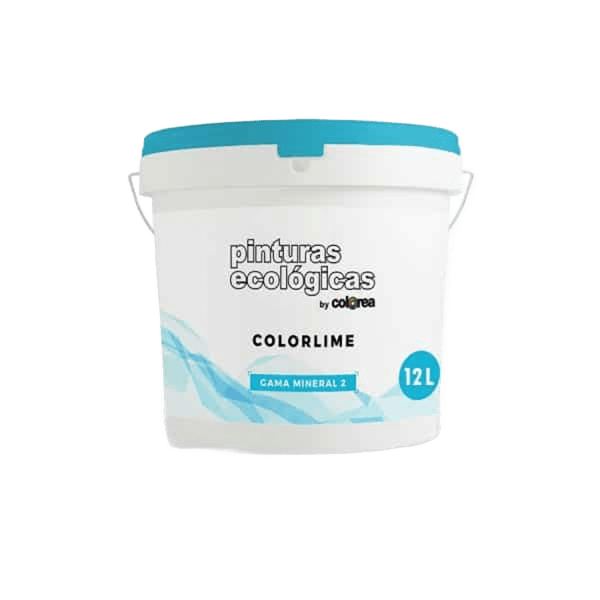 | Eco-friendly lime paint for interiors and exteriors, formulated from natural lime and mineral pigments. Designed to create breathable, matte and natural surfaces, respecting the behavior of the support and favoring healthier environments at home. VIEW PRODUCT | -High breathability -Natural humidity regulation -Suitable for compatible indoors and outdoors -Mineral matte finish -Compatible with breathable supports -Organic product |
Before applying a lime paint, it is important to know the support and the application process to obtain a long-lasting and consistent result.
For this reason, at RedVerde we have developed the Guide to the application of ecological paints, where we explain in a clear and accessible way how to work with mineral and lime paints respecting the material and the behaviour of the support, both indoors and outdoors.