
Wood in the interior is not only a construction material. It’s texture, warmth, visual and acoustic comfort. It is flooring, table, door, staircase or cladding. And, like all living material, it needs protection.
When we talk about traditional treatments, one word always comes up: flaxseed oil. But is it still the best option today? What are the advantages? What limitations does it present? And, above all, what alternatives are currently available that respect wood… and the air we breathe inside the house?
Let’s take it one step at a time.
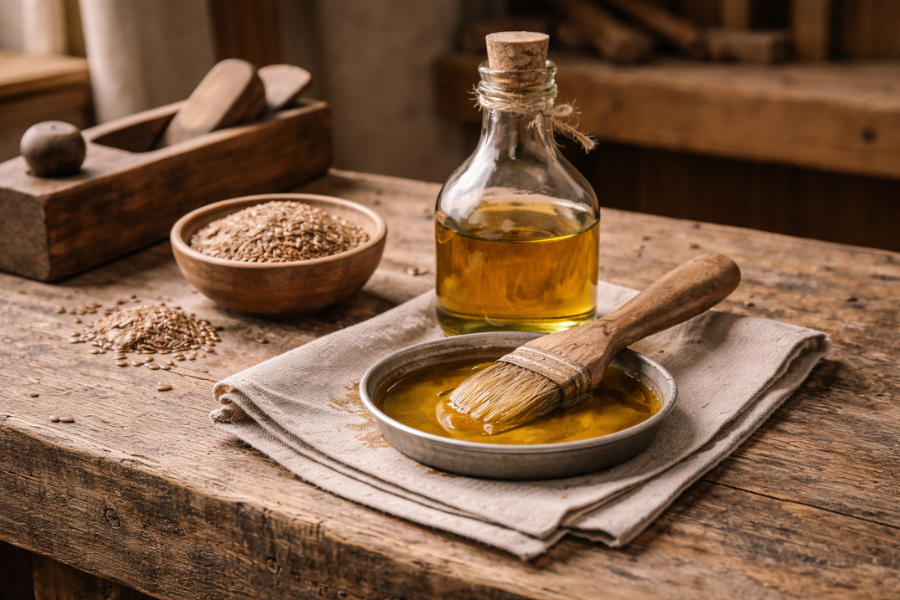
Flaxseed oil is obtained from flax seeds and has been used as a wood protector for centuries. Already in the Middle Ages it was used to protect furniture, carpentry and wooden structures, and for centuries it was the usual treatment in interiors.
Because it penetrates deeply, nourishes the fiber and creates a light protective film that enhances the grain and natural color. It is a simple product, natural in origin and easy to apply.
For a long time it was the available solution. But just because it’s traditional doesn’t mean it’s the most appropriate option today.
Flaxseed oil has strengths:
In certain cases, which we will see later, it may continue to have its place; but it also has important limitations.
This is where it is convenient not to idealize.
In addition, commercial versions include metal blotters or additives that are no longer as “natural” as you think.
In today’s interiors, open kitchens, floors with intensive use, homes with children… They acquire special relevance and this is where contemporary solutions come into play.
At RedVerde we work with treatments based on oils and waxes, with a clear idea: to protect without plasticizing, and to do so with formulations designed to withstand real use.
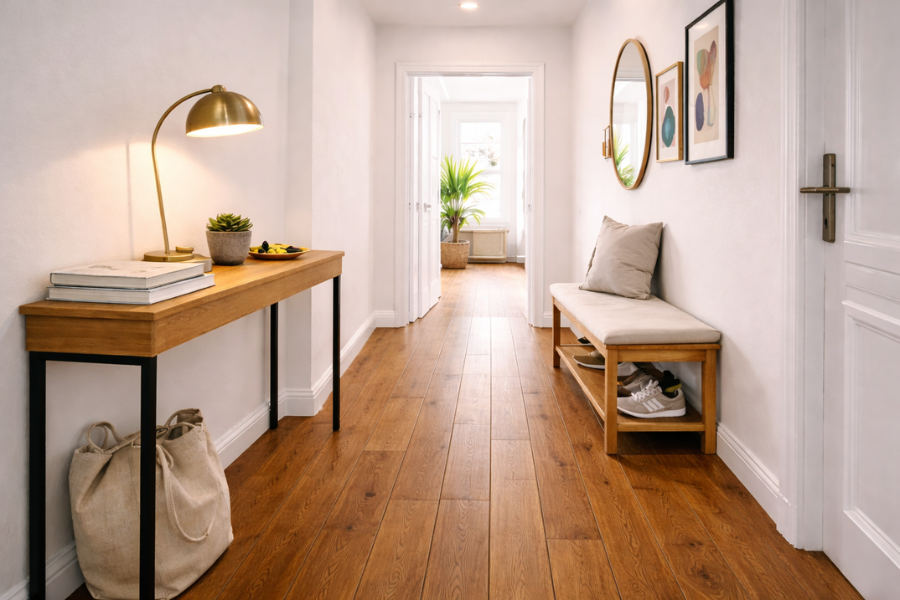
If you are thinking of flooring, solid flooring, multilayer, OSB or even cork, this is the workhorse.
It combines natural oils and waxes in a single product and allows you to choose finishes from glossy to matte.
Why it improves linseed: more resistance to stains and wear, and a more uniform and stable finish over time.
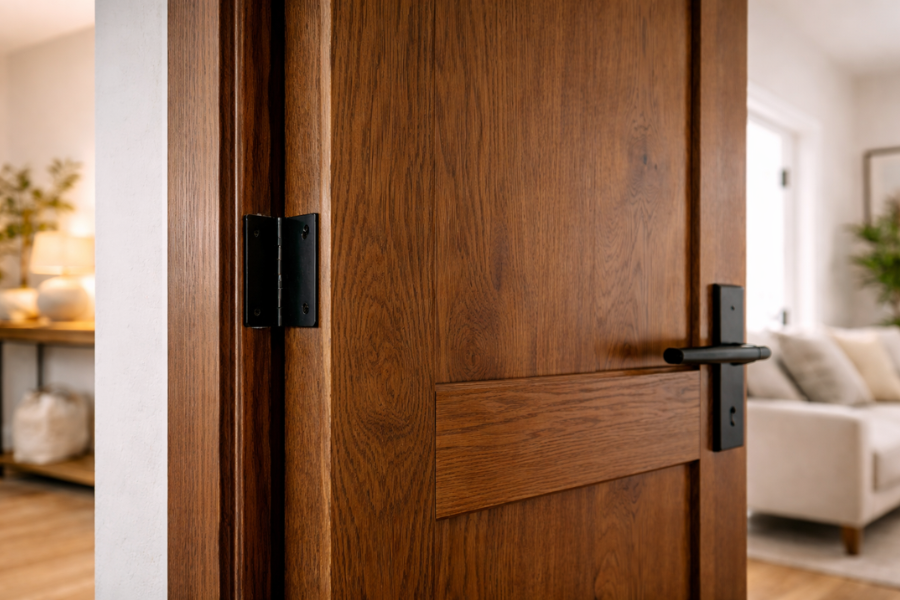
Here we are talking about “vertical” interior and carpentry: doors, mouldings, friezes, exposed beams…
Indicated for protection and beautification in the interior (includes friezes, moldings, beams and doors).
Why it improves linseed: it allows you to work on finishes (including color), renovate and embellish with more control, without depending on the “inevitable darkening” of linseed.
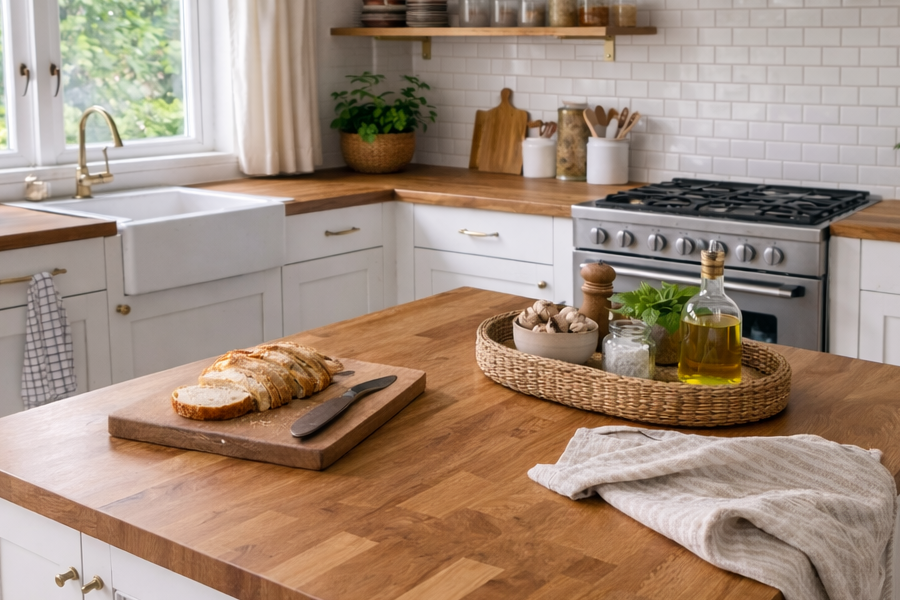
If there’s one place where flaxseed often fails due to wear and stains, it’s here.
Why it improves flaxseed: for practical resistance (stains/water) and for being designed for a surface that is cleaned and used daily.
Why it improves linseed: in addition to nourishing the wood, it incorporates active protection against fungi, humidity and UV radiation, offering greater durability and stability especially outdoors.
A good treatment does not start with the jar, but with the support, each species of wood absorbs differently. An oak is not the same as a fir tree, nor is a new wood the same as a previously treated one. Nor is a floor the same as a piece of furniture.
Choosing the right system avoids problems later: irregular stains, lack of drying, premature wear or unnecessary maintenance.
And this is where it is worth stopping and deciding judiciously.
Linseed oil is part of the history of construction. But today we have the opportunity to combine that tradition with more stable, stronger and safer formulations.
Today’s eco-friendly interior oils respect the essence of wood: finishes, natural touch, breathability, clearly improving their technical performance.
It is not a question of choosing the old for romantic, nor the modern for fashion; It’s all about choosing what works best for your project.
If you are considering treating wood indoors, tell us what support you have, what use it will have and what result you are looking for, we will help you find the most coherent solution.
For interior wood floors: Osmo Original Wax Oil
The balanced solution for interior wood floors: wear resistance, stain protection and natural, unplasticized finish.
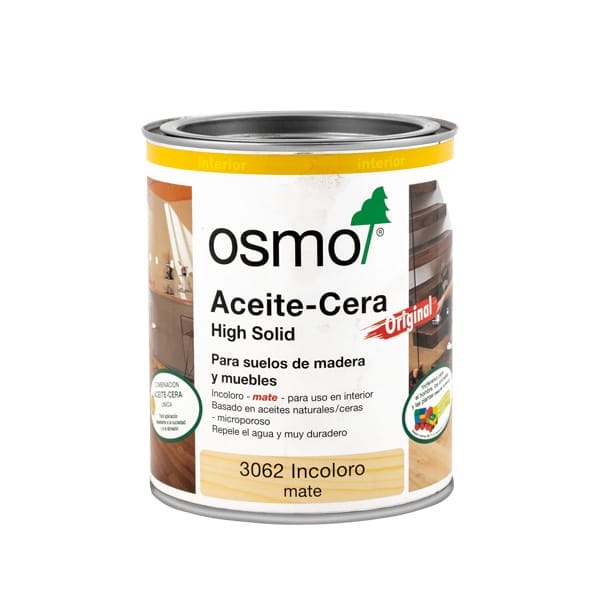
For furniture, doors, friezes, mouldings and beams: Osmo Cera Deco
Ideal for vertical interior carpentry: it embellishes, protects and allows to work decorative finishes while maintaining the natural texture of the wood.
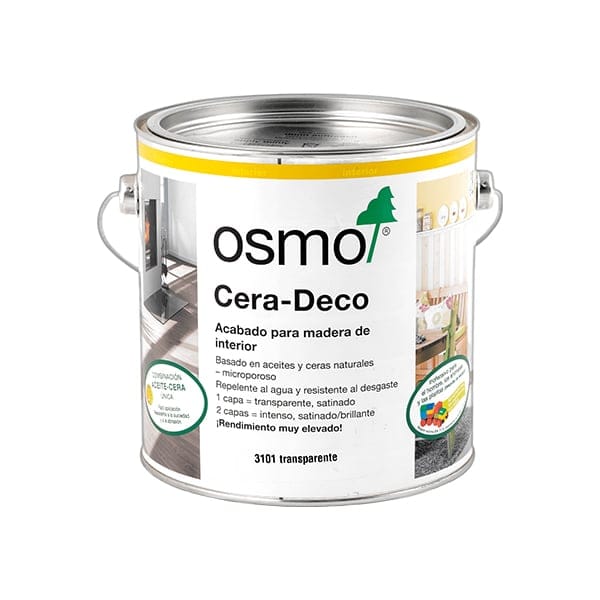
For worktops and work surfaces: Osmo TopOil
Designed for intensive use areas such as kitchens: high resistance to stains and liquids, with a natural finish and safe for surfaces in contact with food.
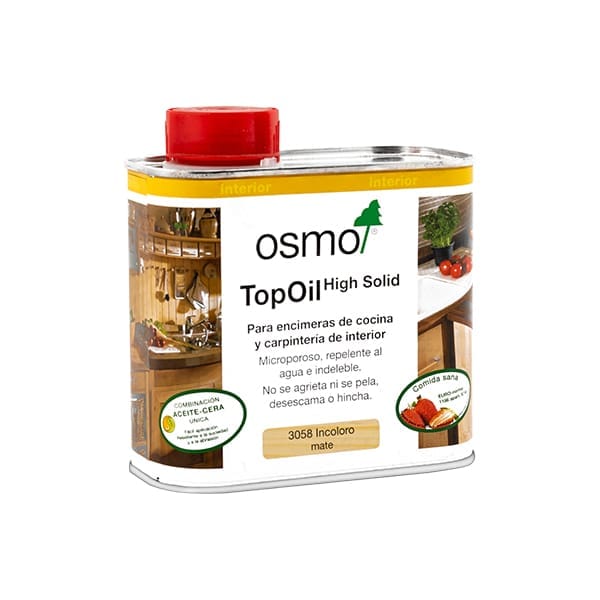
And if we talk about exteriors: Osmo Lasur in oil
Specific protection for wood exposed to the weather, with resistance to humidity, UV radiation and biological agents.
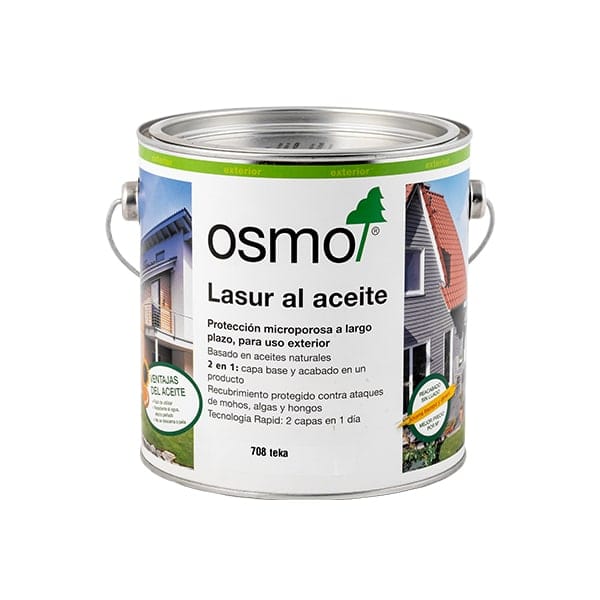
Because well-treated wood not only lasts longer, it is better to live with.